ANIMAL REHABILITATION
Traditional Chinese Veterinary Medicine (TCVM) in Singapore
What Is Traditional Chinese Veterinary Medicine (TCVM)?
Traditional Chinese Veterinary Medicine (TCVM) is a comprehensive medical system that has been used to treat animals for thousands of years. Rooted in the same philosophical and theoretical framework as Traditional Chinese Medicine (TCM) for humans, TCVM views the body as an interconnected whole — where physical health, emotional well-being, and environmental factors are inseparable.
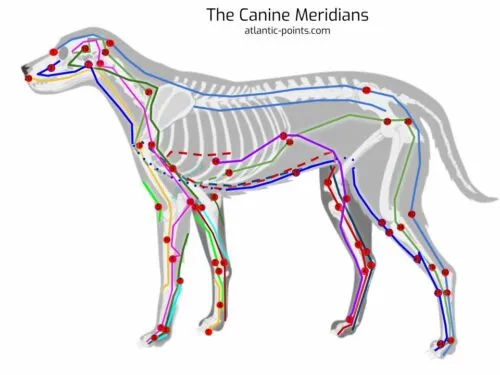
TCVM is built on the fundamental concept of Qi (vital energy) flowing through the body along defined pathways called meridians. When Qi flows freely and is in balance, the body maintains health. When Qi becomes blocked, deficient, or excessive, disease and discomfort arise. TCVM treatments aim to restore the smooth flow and balance of Qi, thereby supporting the body’s innate ability to heal itself.
Far from being purely traditional, TCVM is increasingly supported by modern scientific research. Studies published in journals such as Evidence-Based Complementary and Alternative Medicine and the American Journal of Traditional Chinese Veterinary Medicine have demonstrated the efficacy of TCVM modalities — particularly acupuncture — for conditions including chronic pain, neurological disorders, gastrointestinal disease, and musculoskeletal conditions in companion animals.
At RehabVet in Singapore, our trained TCVM practitioner integrates these time-honoured healing arts with conventional veterinary medicine, creating a truly holistic approach to your pet’s healthcare. Whether used as a primary treatment or as a complement to Western medicine, TCVM offers safe, effective therapeutic options that can significantly improve your pet’s quality of life.
At RehabVet Clinic, we believe in harnessing the best of both worlds — combining the ancient wisdom of TCVM with modern veterinary science to provide comprehensive, integrative care for your pet. Our rehabilitation consultation includes a thorough TCVM assessment alongside conventional examination, ensuring we develop a treatment plan that addresses your pet’s condition from every angle.
TCVM is particularly valuable for conditions that have not responded fully to conventional treatment alone, for pets who cannot tolerate certain medications, and for owners seeking a more holistic, whole-body approach to their pet’s healthcare. It works synergistically with our other rehabilitation modalities, enhancing overall treatment outcomes.

Conditions Treated with TCVM
TCVM is known for its effectiveness in treating a wide variety of conditions in dogs, cats, and other companion animals:
Chronic pain and musculoskeletal conditions: Osteoarthritis, hip dysplasia, back pain, intervertebral disc disease (IVDD), and chronic muscle tension respond exceptionally well to TCVM treatment — particularly acupuncture combined with herbal medicine.
Neurological disorders: TCVM offers valuable support for conditions including IVDD, degenerative myelopathy, vestibular disease, and peripheral nerve injuries. Electroacupuncture has shown particular promise for promoting nerve regeneration.
Gastrointestinal disorders: Inflammatory bowel disease (IBD), chronic diarrhoea, vomiting, constipation, and appetite loss are conditions where TCVM often achieves remarkable results, especially when conventional treatments have provided only partial relief.
Skin conditions and allergies: Chronic dermatitis, hot spots, allergic skin disease, and recurrent ear infections can be addressed through TCVM’s ability to modulate immune function and reduce inflammation from within.
Respiratory conditions: Chronic bronchitis, feline asthma, and upper respiratory issues may benefit from TCVM herbal formulas and acupuncture.
Kidney and urinary conditions: TCVM can provide supportive care for chronic kidney disease (CKD) — a common condition in senior cats — helping to manage symptoms and potentially slow disease progression.
Cancer support: While TCVM does not cure cancer, it can play an important supportive role in managing cancer-related symptoms, improving appetite and energy, reducing the side effects of chemotherapy, and enhancing quality of life during treatment.
Geriatric care: Senior pets commonly exhibit patterns of Qi and Blood deficiency that respond beautifully to TCVM treatment, helping to manage age-related decline and maintain vitality.
Behavioural and emotional conditions: Anxiety, restlessness, and behavioural changes related to pain or illness can improve with TCVM treatment, which addresses emotional imbalances as part of its holistic approach.
Types of TCVM Treatments for Dogs and Cats
TCVM encompasses several treatment modalities, each with unique therapeutic properties. At RehabVet, we offer:
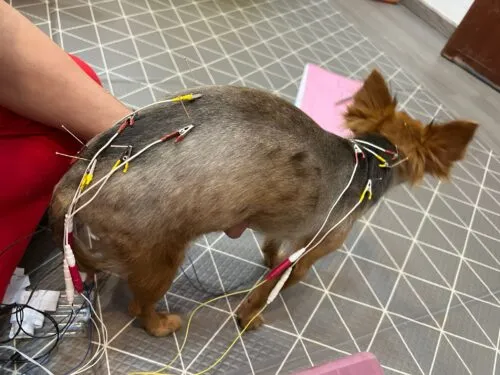
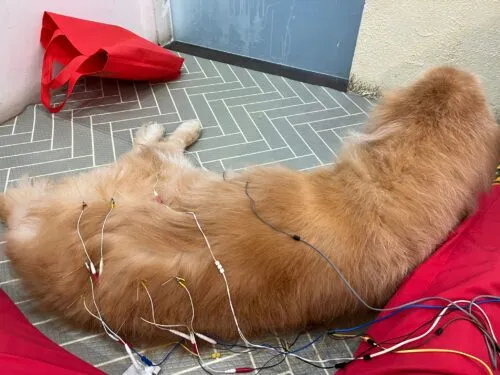
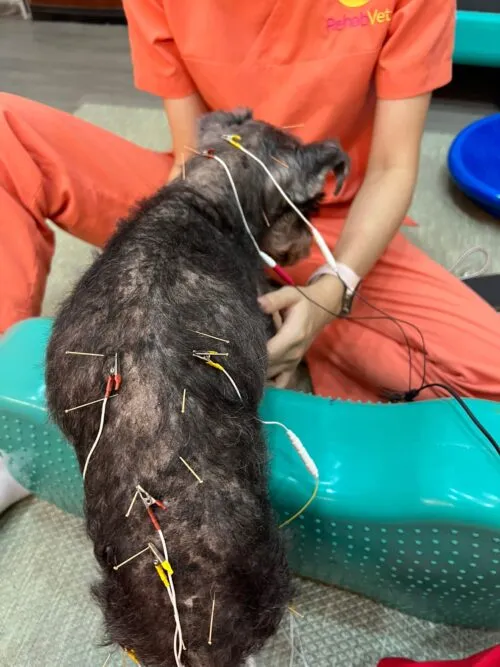
Acupuncture: The most widely known TCVM modality, involving the insertion of fine needles into specific acupuncture points to stimulate healing, relieve pain, and restore balance. Electroacupuncture (adding mild electrical stimulation) and aquapuncture (injecting small amounts of vitamin B12 or saline at acupuncture points) are also available for enhanced therapeutic effects. Acupuncture is our most frequently used TCVM treatment and has the strongest base of modern scientific evidence supporting its efficacy.
Chinese herbal medicine: Customised herbal formulas — prescribed based on your pet’s individual TCVM diagnosis — provide ongoing therapeutic support between acupuncture sessions. These formulas typically contain a combination of herbs that work synergistically to address your pet’s specific pattern of imbalance. All herbs used at RehabVet are sourced from reputable suppliers that test for purity and safety.
Tui Na (Chinese therapeutic massage): A hands-on manual therapy that uses specific massage techniques along meridians and acupuncture points to promote Qi flow, relieve muscle tension, and improve circulation. Tui Na is particularly useful for musculoskeletal conditions and can be taught to pet owners for home application.
Food therapy: TCVM food therapy prescribes specific foods based on their energetic properties (warming, cooling, neutral) to support your pet’s constitution and address specific imbalances. For example, a pet with a “heat” pattern might benefit from cooling foods, while a pet with a “cold” pattern would be prescribed warming ingredients. This is a gentle yet effective way to support your pet’s health through nutrition.
Benefits of TCVM for Dogs and Cats
TCVM offers numerous benefits for pets in Singapore:
Holistic, whole-body approach: Rather than treating individual symptoms in isolation, TCVM addresses the root cause of disease and treats the whole patient. This comprehensive approach often achieves results that symptom-targeted treatments cannot.
Safe, natural treatment: TCVM modalities — particularly acupuncture — have an excellent safety profile with minimal side effects. This makes TCVM especially valuable for pets who are sensitive to medications or for whom certain drugs are contraindicated.
Effective pain management: TCVM provides powerful, drug-free pain relief through acupuncture‘s ability to stimulate endorphin release and modulate pain pathways. This can reduce or even eliminate the need for pain medications in many patients.
Complements conventional treatment: TCVM works beautifully alongside Western veterinary medicine. It can enhance the effectiveness of conventional treatments, manage medication side effects, and support the body during demanding treatments like chemotherapy.
Effective for chronic conditions: Conditions that are difficult to manage with conventional medicine alone — such as chronic skin allergies, IBD, and age-related decline — often respond remarkably well to TCVM treatment.
Improved quality of life: By addressing physical, emotional, and energetic imbalances, TCVM frequently leads to noticeable improvements in energy, appetite, mood, and overall well-being — the intangible but profoundly important aspects of your pet’s quality of life.
Preventive healthcare: TCVM is uniquely positioned for preventive care, identifying and correcting subtle imbalances before they manifest as clinical disease. Regular TCVM assessments and treatments can help maintain your pet’s health and prevent illness.
How RehabVet Can Help Your Pet with TCVM in Singapore
At RehabVet, our approach to Traditional Chinese Veterinary Medicine is integrative, evidence-based, and deeply personalised. We don’t view TCVM and Western medicine as competing philosophies — we see them as complementary systems that, together, offer the most comprehensive care possible for your pet.
Every TCVM patient at RehabVet begins with a thorough consultation that includes both a conventional veterinary assessment and a complete TCVM evaluation — including tongue and pulse diagnosis, palpation of acupuncture points, and pattern differentiation according to TCVM theory. This dual assessment gives us the most complete understanding of your pet’s condition.
Based on this assessment, we develop a personalised treatment plan that may include acupuncture, Chinese herbal medicine, Tui Na, food therapy recommendations, and integration with other rehabilitation modalities such as physiotherapy, hydrotherapy, and HBOT as appropriate.
We are committed to transparency and evidence-based practice. We will clearly explain our TCVM diagnosis, the rationale for recommended treatments, expected outcomes, and realistic timelines. We track progress objectively and adjust treatment plans based on your pet’s response.
If you’re interested in exploring TCVM for your pet — whether as a primary treatment or as a complement to conventional care — we invite you to WhatsApp us at +65 8798 7554 or book a consultation to discover how this ancient healing system can benefit your beloved companion.
Frequently Asked Questions on Traditional Chinese Veterinary Medicine
Does Chinese medicine work for dogs?
Yes, Chinese medicine — particularly acupuncture and herbal medicine — can be highly effective for dogs. It is backed by thousands of years of clinical use and an increasing body of modern scientific research. TCVM is particularly effective for chronic pain management, musculoskeletal conditions, gastrointestinal disorders, neurological conditions, and overall wellness support. However, it should be administered by a qualified TCVM-trained veterinary professional who can accurately diagnose your pet’s condition and prescribe appropriate treatment. At RehabVet, our practitioner integrates TCVM with conventional veterinary medicine for optimal results.
What is the Chinese drug for dogs?
There is no single ‘Chinese drug’ for dogs. TCVM uses individualised herbal formulas tailored to each patient’s specific diagnosis and pattern of imbalance. A formula that works brilliantly for one dog may not be appropriate for another with seemingly similar symptoms, because TCVM treats the underlying pattern rather than just the symptom. Common herbs used in veterinary TCVM include Huang Qi (Astragalus) for immune support, Du Huo (Angelica) for joint pain, and Yin Chen Hao (Artemisia) for liver support. Your TCVM practitioner will prescribe a customised formula based on thorough assessment.
What are the side effects of Chinese herbs in dogs?
Side effects from Chinese herbal medicine are generally mild and uncommon when prescribed by a qualified practitioner. Possible effects may include mild gastrointestinal upset (soft stool, decreased appetite) as the body adjusts to a new formula. These typically resolve within a few days. More serious reactions are rare but can occur if herbs are incorrectly prescribed or if there are interactions with conventional medications — which is why professional TCVM diagnosis is essential. At RehabVet, we carefully consider your pet’s complete medical picture, including all current medications, before prescribing any herbal formula.
What is Chinese medicine for IBD in dogs?
TCVM treatment for IBD in dogs typically involves a combination of acupuncture to reduce gastrointestinal inflammation and regulate gut motility, along with customised herbal formulas to address the underlying pattern of imbalance. Common TCVM patterns associated with IBD include Spleen Qi Deficiency and Damp-Heat in the intestines. Treatment is individualised based on your dog’s specific presentation — including the nature of symptoms, tongue and pulse findings, and overall constitution. Food therapy recommendations are also an important component, helping to support digestive function through appropriate dietary choices.
What is the best treatment for inflammatory bowel disease in dogs?
The best treatment for IBD in dogs often involves a multimodal approach combining dietary management (novel protein or hydrolysed diets), conventional medications when needed (immunosuppressants, anti-inflammatories), probiotics, and TCVM therapies. At RehabVet, we find that integrating TCVM — particularly acupuncture and herbal medicine — with conventional treatment often achieves better results than either approach alone. TCVM can help reduce inflammation, regulate immune function, and improve gut health, potentially allowing reduction of conventional medication doses over time.
What is a natural anti-inflammatory for dogs intestines?
Natural anti-inflammatory options for dogs’ intestines include: omega-3 fatty acids (fish oil) which have well-documented anti-inflammatory properties; probiotics that support healthy gut microbiome balance; slippery elm bark which soothes the digestive tract lining; certain Chinese herbs prescribed by a TCVM practitioner; dietary modifications including easily digestible, low-fat foods; and bone broth which provides gut-healing nutrients. However, always consult your veterinarian before starting any supplements, as some may interact with medications or be inappropriate for your dog’s specific condition.
What is the fastest way to get rid of intestinal inflammation?
The fastest approach to resolving intestinal inflammation depends on the underlying cause and severity. A combination of: appropriate veterinary medication for acute flare-ups; strict dietary management (bland, easily digestible diet); TCVM treatment including acupuncture for inflammation reduction; probiotic supplementation; and stress reduction often produces the quickest results. For acute episodes, conventional anti-inflammatory medication may provide the fastest relief, while TCVM and dietary management provide sustainable, long-term support. Consult your veterinarian for a comprehensive treatment plan tailored to your dog’s situation.
How do I know if my dog's intestines are inflamed?
Signs of intestinal inflammation in dogs include: chronic or recurring diarrhoea (sometimes with blood or mucus); vomiting; weight loss despite normal or increased appetite; decreased appetite; excessive gas and abdominal gurgling; straining to defecate; lethargy; and poor coat condition. If your dog is experiencing any of these symptoms persistently, we recommend a veterinary assessment. At RehabVet, we can evaluate whether TCVM treatment might help manage your dog’s gastrointestinal condition alongside conventional veterinary care.
What not to feed a dog with inflammatory bowel disease?
Dogs with IBD often benefit from avoiding: high-fat foods that are difficult to digest; foods containing common allergens (beef, dairy, wheat, soy, chicken in some cases); highly processed treats with artificial additives; table scraps and rich foods; and any specific foods that have been identified as triggers for your individual dog. An elimination diet supervised by your veterinarian can help identify specific food sensitivities. TCVM food therapy can provide additional guidance based on your dog’s energetic constitution.
Is rice OK for dogs with IBD?
Plain white rice is often recommended as part of a bland diet for dogs with IBD during acute flare-ups, as it is easily digestible and gentle on the gastrointestinal tract. However, long-term dietary management should be more comprehensive and tailored to your individual dog. Some dogs with IBD do better on grain-free diets, while others tolerate rice well. From a TCVM perspective, rice is considered a neutral food that tonifies Spleen Qi — making it generally suitable for dogs with digestive weakness. Your veterinarian or TCVM practitioner can recommend the optimal long-term diet for your dog.
Are carrots good for dogs with IBD?
Cooked carrots can be beneficial for some dogs with IBD. They are a good source of soluble fibre, which supports healthy gut function, and are generally easy to digest when cooked. From a TCVM perspective, carrots are considered to strengthen the Spleen and benefit digestion. However, raw carrots may be harder to digest and could aggravate some dogs’ symptoms. As with any dietary change for a dog with IBD, introduce carrots gradually and monitor your dog’s response. Individual tolerance varies, so what works for one dog may not suit another.
What foods fight bowel inflammation?
Foods that may help reduce bowel inflammation include: easily digestible proteins (fish, turkey, rabbit); cooked pumpkin and sweet potato (rich in soluble fibre); omega-3 rich foods (sardines, salmon); bone broth (contains gut-healing amino acids like glutamine); cooked leafy greens in small amounts; and probiotic-rich foods. From a TCVM perspective, foods with cooling energetic properties — such as duck, rabbit, and certain vegetables — may be particularly beneficial for dogs with inflammatory patterns. A TCVM food therapy consultation can provide personalised dietary recommendations for your dog.
What can I feed my dog with inflammatory bowel disease?
Dogs with IBD generally benefit from a highly digestible diet that is low in fat, moderate in novel or hydrolysed protein, and free from known allergens. Good options include: novel protein sources (venison, kangaroo, rabbit) the dog hasn’t been exposed to; hydrolysed protein diets (where proteins are broken down to reduce allergic potential); home-cooked diets formulated by a veterinary nutritionist; and TCVM food therapy recommendations tailored to your dog’s constitution. The ideal diet varies between individuals, and what works perfectly for one dog with IBD may not suit another.
What triggers bowel inflammation?
Bowel inflammation can be triggered by: food sensitivities or allergies; disrupted gut microbiome (dysbiosis); stress and anxiety; genetic predisposition; immune system dysfunction; dietary indiscretion (eating inappropriate foods); parasitic infections; bacterial imbalances; and environmental factors. In many cases, multiple factors contribute simultaneously. TCVM recognises additional contributing factors including emotional stress, dietary imbalance according to energetic properties, and constitutional weakness — providing a broader framework for understanding and treating the condition.
What foods irritate the bowel?
Common dietary irritants for dogs with sensitive bowels include: high-fat foods; common protein allergens (beef, dairy, chicken, wheat, soy); artificial preservatives, colours, and flavours; highly processed commercial treats; rawhide chews; spicy or seasoned foods; and sudden dietary changes. From a TCVM perspective, foods with extreme energetic properties — very heating foods like lamb or very cooling foods — may aggravate certain patterns of bowel disease. Identifying your dog’s specific triggers through careful dietary management and TCVM assessment is key to long-term symptom control.
How long does it take for inflamed intestines to heal?
Healing time for intestinal inflammation varies significantly depending on the underlying cause, severity, and treatment approach. Acute flare-ups may improve within days to weeks with appropriate treatment. Chronic IBD, however, is typically a condition that requires ongoing management rather than a one-time cure. With a comprehensive treatment plan combining dietary management, appropriate medication, and TCVM therapies, many dogs achieve good long-term control with minimal symptoms. Some dogs experience complete remission, while others require ongoing maintenance therapy. TCVM treatment can play a valuable role in achieving and maintaining remission.
What triggers IBD in dogs?
The exact cause of IBD in dogs remains unclear, but it is believed to result from a complex interaction between genetic predisposition, immune system dysregulation, gut microbiome imbalance (dysbiosis), dietary factors, and environmental triggers. The immune system inappropriately attacks the lining of the gastrointestinal tract, causing chronic inflammation. From a TCVM perspective, IBD often relates to underlying Spleen Qi Deficiency combined with pathogenic factors such as Dampness or Heat. Understanding both the conventional and TCVM perspectives provides a more complete picture for treatment planning.
How many times a day should you feed a dog with IBD?
Dogs with IBD often benefit from smaller, more frequent meals — typically 3–4 meals per day rather than 1–2 large meals. Smaller portions are easier to digest and place less stress on the inflamed gastrointestinal tract. Consistent meal times also help regulate digestive function. From a TCVM perspective, regular, smaller meals support Spleen Qi and promote smooth digestive function. Your veterinarian can advise on the optimal feeding schedule and portion sizes for your individual dog based on their condition, size, and nutritional needs.
What Chinese herbs are good for dogs with diarrhea?
Several Chinese herbs are traditionally used for managing diarrhoea in dogs, including: Huang Lian (Coptis) which clears Heat and Dampness from the intestines; Bai Zhu (Atractylodes) which strengthens Spleen Qi and resolves Dampness; Fu Ling (Poria) which drains Dampness; Ge Gen (Pueraria) which helps with acute diarrhoea; and Shan Yao (Chinese Yam) which tonifies the Spleen. However, the specific herbs prescribed depend entirely on the individual TCVM diagnosis — the pattern of imbalance, not just the symptom. Self-prescribing Chinese herbs without professional guidance is not recommended, as incorrect herb selection can worsen the condition. Book a TCVM consultation at RehabVet for a proper assessment and personalised herbal prescription.