The Role of Pet Rehabilitation in Managing Osteoarthritis
As every pet parent knows, watching a beloved animal companion struggling with osteoarthritis is a heartrending experience. Often associated with old age, this debilitating condition is capable of reducing once lively pets into shadows of their former selves. However, the progression of this degenerative disease is not irreversible. Enter the role of rehabilitation in managing osteoarthritis—a game-changing strategy that’s breathing new life into our four-legged friends.
What is Osteoarthritis and How Does it Affect Pets?
Before delving deeper into the role of pet rehabilitation, let’s clarify what osteoarthritis is. A chronic joint disease, osteoarthritis often affects older dogs and cats, though it can occur in younger pets due to injury or genetic predisposition. It is characterized by the breakdown of joint cartilage, resulting in pain, inflammation, and reduced mobility. To counteract these effects, a multifaceted approach combining medication, diet, lifestyle changes, and increasingly, pet rehabilitation, is used.
The Role of Pet Rehabilitation in Managing Osteoarthritis
Pet rehabilitation employs a variety of therapeutic techniques to improve a pet’s physical function, alleviate pain, and enhance their overall wellbeing. The premise is akin to human physical therapy, and just as it does for us, it holds incredible potential for our pets too.
Rehabilitation Techniques Employed
Several rehabilitation techniques exist that are specifically designed to target osteoarthritic discomfort and immobility. These include:
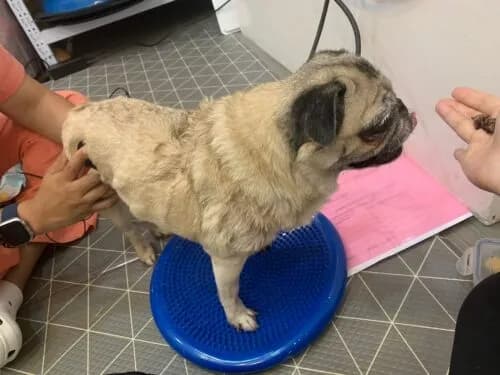
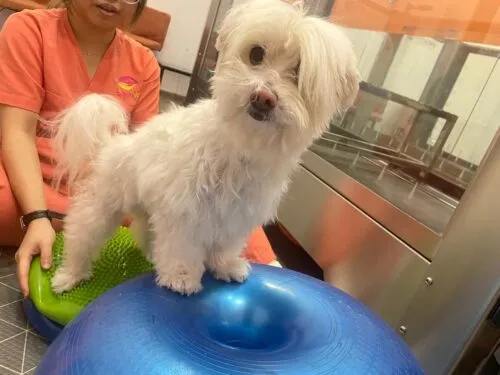
- Physical Exercise: The primary component of any pet rehabilitation program, carefully tailored exercises, helps to improve joint flexibility, strengthen muscles, and ultimately, enhance mobility.
- hydrotherapy: This involves the use of water to soothe and exercise the muscles, reducing the strain on the joints.
- Massage Therapy: Known for its healing touch, massage therapy promotes blood flow, eases tension in muscles, and stimulates the body’s natural pain relief mechanisms.
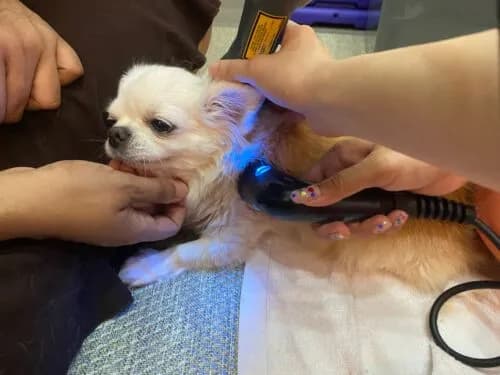
- Laser Therapy: Non-invasive and pain-free, laser therapy uses light to stimulate cell regeneration, relieve pain, and reduce inflammation.
Tailoring Rehabilitation to Individual Pets
One size doesn’t fit all when it comes to pet rehabilitation. Every pet is unique and their rehab programs should mirror this individuality. Factors such as the pet’s age, breed, overall health, and severity of the osteoarthritis play crucial roles in shaping their rehab journey. This personalized approach ensures that every pet receives the most effective and suitable care possible.
Experiencing the Benefits of Pet Rehabilitation
So, what makes pet rehabilitation an important tool in managing osteoarthritis? Let’s break it down.
Restoration of Mobility
The most visible advantage of pet rehabilitation is the restoration of mobility. As pets progress through their rehab program, they regain the ability to move more freely and comfortably, returning joy to their lives and yours.
Pain Management
Pet rehabilitation also serves as an effective pain management strategy. Techniques such as massage and laser therapy help to alleviate discomfort, making daily life more bearable for our furry pals.
Improved Quality of Life
Beyond physical improvements, pet rehabilitation can elevate the mental well-being of pets suffering from osteoarthritis. The chance to move with less pain and engage in play or normal routines again contributes greatly to a pet’s overall happiness.
FAQ’s
Managing osteoarthritis with rehabilitation?
We’ll build a multimodal plan — land physio, hydrotherapy, and pain modalities as needed.
Conclusion
The role of pet rehabilitation in managing osteoarthritis has proven to be a significant factor in combating this chronic disease. It offers a means to restore mobility, reduce pain, and improve quality of life for our beloved pets. With the guidance of trained professionals and a pinch of patience, you and your furry friend can navigate the journey towards a happier, healthier life together.