

RehabVet veterinary rehabilitation clinic logo
Conditions we treat

Animal rehabilitation conditions for dogs & cats

An extensive library of orthopaedic, neurological, soft-tissue, post-surgical, degenerative, geriatric, pain, weight, and developmental conditions commonly supported with veterinary physiotherapy and rehabilitation in Singapore.
Excellent
Based on 229 reviews

Showing 66 of 66 conditions.

Orthopedic

Joints, bones, ligaments and structural injuries.

  1. 01

    Cranial Cruciate Ligament (ACL) Rupture

    Cranial cruciate ligament (CCL) rupture — often called ACL tear — destabilises the stifle (knee), causing pain, lameness, and secondary meniscal and osteoarthritis risk in dogs and, less often, cats.

    Dog · Cat

  2. 02

    Meniscal Injury in Dogs

    Meniscal tears in dogs — usually the medial meniscus — commonly occur with cranial cruciate ligament disease, adding clicking, pain, and mechanical interference inside the stifle.

    Dog

  3. 03

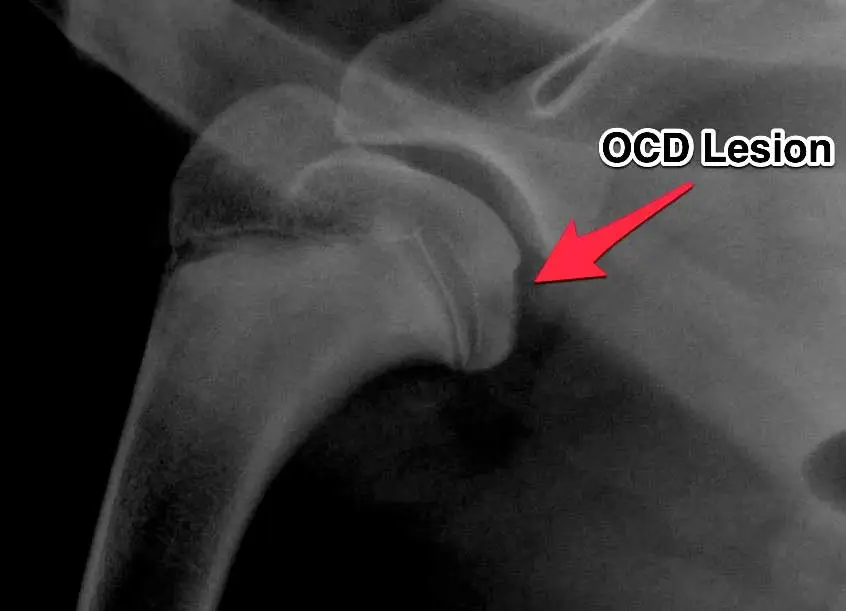
    Shoulder Osteochondritis Dissecans (OCD)

    Shoulder osteochondritis dissecans (OCD) is a developmental cartilage flap disease of the caudal humeral head, typically affecting young large- and giant-breed dogs.

    Dog

  4. 04

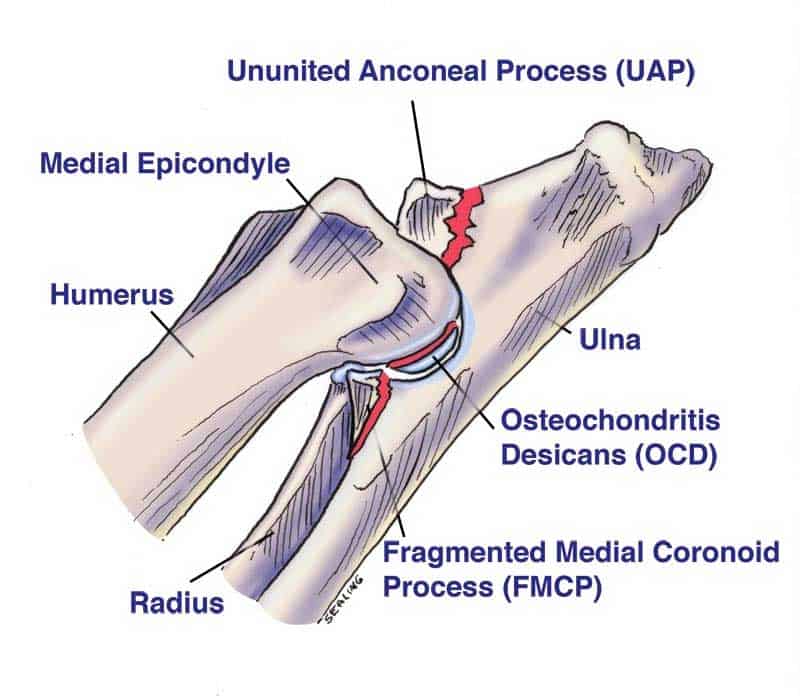
    Elbow Osteochondritis Dissecans (OCD)

    Elbow OCD involves a cartilage flap on the medial humeral condyle and is one component of the canine elbow dysplasia complex, mainly in young large-breed dogs.

    Dog

  5. 05

    Medial Shoulder Instability

    Medial shoulder instability (MSI) describes laxity or injury of the medial glenohumeral support structures, causing forelimb pain, performance decline, and intermittent lameness in dogs.

    Dog

  6. 06

    Carpal Hyperextension Injury

    Carpal hyperextension injury damages the palmar support of the canine wrist, leading to a dropped or collapsed carpus, pain, and altered forelimb mechanics.

    Dog

  7. 07

    Tarsal Achilles Tendon Injury

    Injury to the common calcaneal (Achilles) tendon mechanism causes a dropped hock or plantigrade stance, pain, and major pelvic-limb dysfunction in dogs.

    Dog

  8. 08

    Hip Luxation

    Hip luxation (dislocation) occurs when the femoral head leaves the acetabulum — usually after trauma — causing severe pain and non-weight-bearing lameness in dogs and cats.

    Dog · Cat

  9. 09

    Panosteitis

    Panosteitis is a self-limiting inflammatory disease of the long-bone marrow cavity in young, often large-breed dogs, causing shifting leg lameness and deep bone pain.

    Dog

  10. 10

    Hypertrophic Osteodystrophy (HOD)

    Hypertrophic osteodystrophy (HOD) is a developmental bone disease of young, rapidly growing dogs causing painful metaphyseal swelling, lameness, and often systemic illness.

    Dog

  11. 11

    Fragmented Medial Coronoid Process (FMCP)

    Fragmented medial coronoid process (FMCP) is a common form of canine elbow dysplasia in which a portion of the medial coronoid process of the ulna fissures or separates, causing elbow pain and osteoarthritis risk.

    Dog

  12. 12

    Ununited Anconeal Process (UAP)

    Ununited anconeal process (UAP) occurs when the anconeal process of the ulna fails to fuse to the olecranon, causing elbow instability, pain, and secondary osteoarthritis in dogs.

    Dog

Neurological

Spinal cord, nerve, balance and coordination conditions.

  1. 01

    Intervertebral Disc Disease (IVDD)

    Intervertebral disc disease (IVDD) occurs when a spinal disc degenerates, bulges, or ruptures and compresses the spinal cord or nerve roots — causing pain, weakness, ataxia, or paralysis in dogs.

    Dog

  2. 02

    Fibrocartilaginous Embolism (FCE)

    Fibrocartilaginous embolism (FCE) is an acute spinal cord infarction caused by disc material blocking a spinal blood vessel — typically sudden, often asymmetric, and usually non-progressive after the first hours.

    Dog · Cat

  3. 03

    Vestibular Disease

    Vestibular disease affects the balance system in the inner ear or brainstem, causing head tilt, nystagmus, circling, nausea, and a staggering gait in dogs and cats.

    Dog · Cat

  4. 04

    Degenerative Myelopathy

    Degenerative myelopathy (DM) is a progressive neurodegenerative disease of the spinal cord in dogs, typically starting with hind-limb ataxia and weakness and advancing over months.

    Dog

  5. 05

    Lumbosacral Stenosis

    Lumbosacral stenosis (cauda equina syndrome) involves narrowing at the lumbosacral junction that compresses nerve roots — often causing lower-back pain, pelvic-limb weakness, and reluctance to jump.

    Dog

  6. 06

    Wobbler Syndrome

    Wobbler syndrome (cervical spondylomyelopathy) refers to cervical spinal cord compression in dogs, producing a characteristic wobbly gait, neck pain, and progressive neurological deficits.

    Dog

  7. 07

    Brachial Plexus Injury

    Brachial plexus injury involves trauma to the nerve network supplying the forelimb, causing weakness, paralysis, knuckling, or sensory loss in dogs and cats.

    Dog · Cat

  8. 08

    Peripheral Neuropathy

    Peripheral neuropathy describes disease of the peripheral nerves, leading to weakness, reduced reflexes, sensory changes, knuckling, or voice/swallowing changes depending on the nerves involved.

    Dog · Cat

  9. 09

    Spinal Cord Injury

    Spinal cord injury from trauma, compression, or ischaemia can cause pain, ataxia, paresis, or paralysis. Rehabilitation supports nursing care and neurological recovery after veterinary stabilisation.

    Dog · Cat

  10. 10

    Discospondylitis

    Discospondylitis is infection of an intervertebral disc and neighbouring vertebral endplates, causing spinal pain, stiffness, fever, and sometimes neurological deficits in dogs (rarely cats).

    Dog · Cat

  11. 11

    Cerebrovascular Accident (Stroke)

    A cerebrovascular accident (stroke) is an abrupt interruption of brain blood flow — ischaemic or haemorrhagic — causing sudden neurological deficits in dogs and cats.

    Dog · Cat

  12. 12

    Myasthenia Gravis

    Myasthenia gravis is a neuromuscular junction disorder causing fatigable weakness — from exercise-associated collapse to megaoesophagus — in dogs and, less often, cats.

    Dog · Cat

  13. 13

    GOLPP (Laryngeal Paralysis–Polyneuropathy)

    Geriatric-onset laryngeal paralysis polyneuropathy (GOLPP) is a progressive neurodegenerative syndrome in older dogs combining laryngeal paralysis with hind-limb weakness and oesophageal dysfunction.

    Dog

Soft tissue & musculoskeletal

Muscle, tendon, fascia, strain and sports injuries.

  1. 01

    Iliopsoas Strain

    Iliopsoas strain is an injury to the hip-flexor muscle group (iliacus and psoas major), a common cause of cryptic hind-limb lameness and performance issues in dogs.

    Dog

  2. 02

    Muscle Strain & Sprain

    Strains injure muscle–tendon units; sprains injure ligaments. Both are common soft-tissue injuries in active dogs and can also affect cats after trauma or awkward landings.

    Dog · Cat

  3. 03

    Tendinopathy

    Tendinopathy refers to painful, load-intolerant tendon tissue — often from overuse or failed healing — affecting sporting dogs and pets with biomechanical overload.

    Dog · Cat

  4. 04

    Biceps Tenosynovitis

    Biceps tenosynovitis is inflammation or irritation of the biceps tendon and its sheath in the shoulder — an important cause of forelimb lameness in dogs.

    Dog

  5. 05

    Gracilis Myopathy

    Gracilis myopathy involves fibrotic contracture of the gracilis (and sometimes semitendinosus) muscle, producing a distinctive short-stride, circumducting hind-limb gait in dogs.

    Dog

  6. 06

    Myofascial Pain

    Myofascial pain describes discomfort arising from muscle and fascial tissues — tight bands, trigger-point–like areas, and referred tension that limit comfortable movement in dogs and cats.

    Dog · Cat

  7. 07

    Muscle Atrophy

    Muscle atrophy is wasting of muscle bulk and strength from disuse, neurological injury, orthopaedic pain, systemic disease, or ageing — common in dogs and cats with mobility limits.

    Dog · Cat

  8. 08

    Sports Injuries in Athletic Dogs

    Sports injuries in athletic dogs include soft-tissue strains, tendon overload, joint sprains, and concussion-level collisions from agility, flyball, disc, dock diving, and working roles.

    Dog

  9. 09

    Fibrotic Myopathy & Contracture

    Fibrotic myopathy and contracture describe replacement of normal muscle with inelastic scar-like tissue, restricting joint motion and altering gait in dogs.

    Dog

Post-surgical & trauma

Recovery after surgery, fractures and major trauma.

  1. 01

    Post-Surgical Rehabilitation

    Post-surgical rehabilitation is structured physiotherapy after veterinary surgery — protecting the repair, restoring motion and strength, and guiding a safe return to daily life.

    Dog · Cat

  2. 02

    TPLO Recovery

    TPLO (tibial plateau leveling osteotomy) stabilises a cruciate-deficient stifle. Rehabilitation guides protected loading, muscle recovery, and return to activity after surgery.

    Dog

  3. 03

    FHO Recovery

    FHO (femoral head and neck ostectomy) removes the femoral head to alleviate hip pain. Rehabilitation is essential to form a functional pseudoarthrosis and rebuild muscle.

    Dog · Cat

  4. 04

    Total Hip Replacement Recovery

    Total hip replacement (THR) implants a prosthetic hip joint. Rehabilitation supports muscle recovery and gait retraining while strictly protecting implant stability.

    Dog · Cat

  5. 05

    Fracture Recovery

    Fracture recovery combines surgical or external fixation healing with rehabilitation to restore joint motion, muscle, and confident weight-bearing in dogs and cats.

    Dog · Cat

  6. 06

    Spinal Surgery Recovery

    Spinal surgery recovery after decompression or stabilisation focuses on neurological rehabilitation, bladder management, and staged return of strength and coordination.

    Dog · Cat

  7. 07

    Amputation & Tripod Rehab

    Amputation and tripod rehabilitation help dogs and cats adapt to life on three limbs — building strength, balance, and confidence while protecting the remaining joints.

    Dog · Cat

  8. 08

    Patella Surgery Recovery

    Patella surgery recovery follows correction of kneecap luxation. Rehabilitation restores quadriceps function, stifle control, and graded return to jumping and play.

    Dog · Cat

Congenital / developmental

Developmental joint and skeletal conditions.

  1. 01

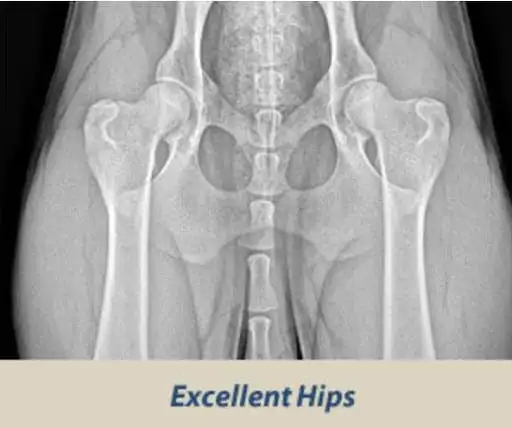
    Hip Dysplasia

    Canine hip dysplasia is a developmental malformation of the hip joint that leads to laxity, pain, and secondary osteoarthritis — managed with multimodal care including physiotherapy and hydrotherapy.

    Dog

  2. 02

    Elbow Dysplasia

    Elbow dysplasia is a group of developmental elbow disorders — including FMCP, UAP, OCD, and incongruity — that cause forelimb pain and progressive osteoarthritis, mainly in dogs.

    Dog · Cat

  3. 03

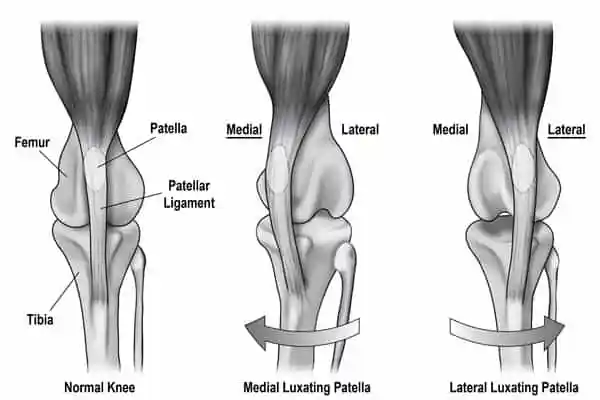
    Luxating Patella

    Patellar luxation occurs when the kneecap slips out of the femoral groove — commonly medially in small dogs — causing skipping steps, pain, and secondary cruciate and arthritis risk.

    Dog

  4. 04

    Legg-Calvé-Perthes Disease

    Legg-Calvé-Perthes disease is avascular necrosis of the femoral head in young small-breed dogs, causing hip pain, lameness, and collapse of the femoral head.

    Dog

  5. 05

    Osteochondrosis

    Osteochondrosis is a developmental disorder of endochondral ossification that can progress to osteochondritis dissecans (OCD) in shoulders, elbows, stifles, or hocks of young dogs.

    Dog

  6. 06

    Swimmer Puppy Syndrome

    Swimmer puppy syndrome describes neonates that cannot adduct their limbs to stand — often with a flattened chest — requiring early supportive care and physiotherapy.

    Dog

  7. 07

    Angular Limb Deformity

    Angular limb deformity describes abnormal angulation or rotation of a limb from asymmetric growth-plate function or trauma, altering joint alignment and gait in dogs.

    Dog

  8. 08

    Congenital Vertebral Malformation

    Congenital vertebral malformations — such as hemivertebrae, butterfly vertebrae, and block vertebrae — alter spinal alignment and may contribute to pain, kyphosis, or neurological deficits in dogs.

    Dog

Not sure which condition fits?

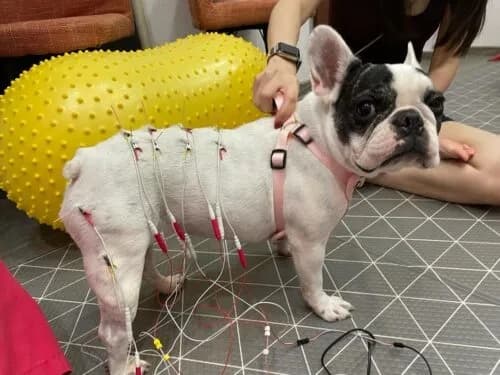
Book a veterinary rehabilitation assessment. We examine gait, joints, nerves, and soft tissue — then build a plan that may combine physiotherapy, hydrotherapy, laser, acupuncture, and more.

Loved by Pet Parents

Rated Excellent by 229+ families

5.0 average on Google
Google

My family and I would like to thank RehabVet team for the care,…

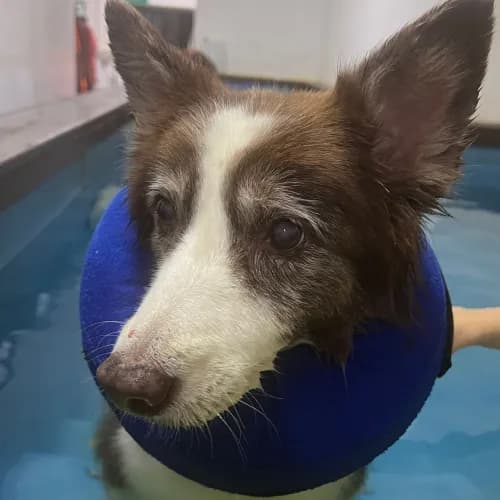
My family and I would like to thank RehabVet team for the care, dedication, and professionalism shown to our beloved Border Collie, Patches. During his rehabilitation journey, the therapists and staff were always patient, compassionate, and willing to answer our questions. It was evident that they genuinely cared about his well-being and worked hard to help him maintain the best quality of life possible.

Sherman Lau

Google

Clean environment and knowledgeable people who loves pets.

Clean environment and knowledgeable people who loves pets. Highly recommended.

Jane Alexis

Google

Great place for rehab and therapist

Great place for rehab and therapist

Zhen Bin

Google

The only place that Aiko loves so wholeheartedly, greeting all…

The only place that Aiko loves so wholeheartedly, greeting all staffs cheerfully the moment she enters and resting on their thighs after hydrotherapy so peacefully. The trust and demure of your dog tells it all. No bias or pre-conceived perceptions. We were surprised that the first five hydrotherapy sessions have helped to strengthen her hips and improve her level of energy. Sean is just the consummate professional!

Jasper Tay

Google

This clinic combines effective treatment, compassionate handling,…

This clinic combines effective treatment, compassionate handling, and up-to-date evidence-based rehabilitation tools. My dog has experienced very visible improvement after just a few sessions with them. Very effective. Many pet owners I spoke to at the clinic also gives it a thumbs up. They have a team of well trained and very caring professionals. I have not seen any dogs that are not comfortable with them over here. 👍🏻

CT Tan

Google

We visited Rehabvet as Bruno was having some mobility issues with…

We visited Rehabvet as Bruno was having some mobility issues with his hind legs. We had an excellent experience. They structured a massage / exercise / hydro schedule that worked wonders. Bruno is feeling much better now.

Delwin Singh

Google

This is the best rehab clinic for my dog.

This is the best rehab clinic for my dog.

banleng ho

Google

We've been bringing Kuma to RehabVet for physiotherapy and the…

We've been bringing Kuma to RehabVet for physiotherapy and the experience has been outstanding. The team truly cares for every fur patient, and you can feel the warmth and dedication the moment you walk in. A special thank you to Hazel, Kuma's therapist, who is incredibly patient, attentive, and knowledgeable. She not only conducts the sessions with great care but also provides practical advice for us to continue strengthening Kuma's muscles at home and the results really show. Thank you as well to Dr. Sara, Xan, and the entire RehabVet team for the love and professionalism you show to every pet. If your furkid needs rehabilitation or physiotherapy, RehabVet is truly a place you can trust.

Christine Fan

Google

Had a very positive experience at the rehab vet.

Had a very positive experience at the rehab vet. The entire team was professional, gentle, and reassuring throughout the session. Dr Sara was especially wonderful — knowledgeable, patient, and took the time to explain everything clearly without rushing. You can tell she genuinely cares about the animals and their recovery. The facility has also just been renovated and is very clean, modern, and calm, making it a comfortable and conducive environment for both pets and owners. Highly recommended.

G Tey

Google

We're truly grateful to Dr.

We're truly grateful to Dr. Sara, the entire RehabVet team, and especially Xan, who has been exceptionally detailed and patient. The whole team has shown such genuine care throughout Milo's recovery journey. Milo was diagnosed with IVDD Grade 3 in late June 2025. Although he hasn't fully recovered yet, we've seen significant improvement over the past 3.5 months with pain relief treatments, hyperbaric oxygen therapy, acupuncture, and regular exercise sessions. We believe that slowly but surely, Milo will make a full recovery. Never give up!

Jas Sim

Google

Haru has been going to rehabvet since Nov 2025 to manage his…

Haru has been going to rehabvet since Nov 2025 to manage his mobility caused by luxating patellar and hip dysplasia. Thus far, we witnessed huge improvements thru several methods of rehabilitation such as ultrasound/laser therapy, land exercises and hydrotherapy! Aside from the treatments, what made us continue with them is the hospitality of the staff! They are always so welcoming and you could feel the warmth everytime you step into the clinic! Also, they treat your furkid with love and respect. Highly recommended.

Cherly K

Google

I can't recommend RehabVet highly enough!

I can't recommend RehabVet highly enough! My Happy, a pomeranian with patella luxation grade 3 on her left hind leg and hip dysplasia, has made incredible progress since starting physiotherapy here. The team is so knowledgeable, patient, and genuinely caring. All the therapists were fantastic and tailored the sessions perfectly to Happy's needs. The facilities are clean and well-equipped, and my dog always seemed comfortable and even enjoyed their sessions. If your furry friend needs some extra support, look no further than RehabVet!

JC Lim

Google

We've been taking our dog to Rehab Vet Singapore for about 6–7…

We've been taking our dog to Rehab Vet Singapore for about 6–7 years, mainly for EMF therapy, water treadmill sessions, and joint and muscle supplements. After her hip surgery, she needed a comprehensive recovery plan, and the team here has provided just that and more. Their treatments have helped her regain strength and mobility, and the long-term maintenance has been invaluable in keeping her active and comfortable. The staff is knowledgeable, caring, and always focused on her needs. We truly appreciate the dedication they've shown over the years – highly recommend!

Denise Lui

Google

Went to RehabVet for a second opinion on a serious limp my husky had…

Went to RehabVet for a second opinion on a serious limp my husky had developed. They were exceptionally knowledgeable, gave practical advice and were very generous with their time. We moved forward with treatment and the non invasive options they gave have made him much more comfortable and the future is promising. From the first time I reached out via whatsapp they gave clear helpful advice, follow up on treatment, pictures, liaised with pet transportation and more. A really amazing full service experience. Thank you very much.

Ross

Google

As a fur mummy, finding people who genuinely care for and love our…

As a fur mummy, finding people who genuinely care for and love our babies is so important. I've found exactly that here, especially with Judette, Xan, Noelle, and Joyce. My babies, Barley (17yo cat) and Lexi (9yo dog), come in for pain management and rehab sessions, and I'm always completely comfortable with how they're treated. The team is incredibly patient, gentle, and kind, and it shows in the way they handle my pets. So grateful to have found a rehab centre I truly trust. Highly recommended.

Lynn Wong

Google

My Shih Tzu, August, has osteoarthritis and he was unable to walk.

My Shih Tzu, August, has osteoarthritis and he was unable to walk. We took him to RehabVet Clinic after reading good reviews about it on Google. Since November 2023, he has been having therapy here and has shown improvement in his mobility under the tender loving care from Dr Sara Lam and the staff members, with special mention and appreciation to Angeline, Joyce, Hui Tze and Shaun. My Puppy King will continue his treatment here as we have trust in this lovely team. Thank you!

Angeline Lee

Google

Bubble has been with Rehab Vet for years as he grows older and…

Bubble has been with Rehab Vet for years as he grows older and manages his luxating patella. I am truly grateful to Doc Sara, Xan, Sean, Joyce, and the entire rehab team for always taking such wonderful care of Bubble and watching over him during every session. Bubble came from a condition whereby he couldn't even walk, he was paralysed. But really thankful to rehab vet that made the impossible, became possible. Thank you Doc Sara & all Rehab Team

Joanne

Google

Great team!

Great team! Brought my dog Bunny in for a consultation because her luxating patella was getting worse. Bunny is an anxious dog so I expected her to be a handful during the consult but she was very calm in the therapists' presence! Shout out to Xan and Noelle for helping her feel at ease in a foreign place. I love the clinic's interior as well, the warm lights and pastel colours are very welcoming for both me and Bunny :)

Choy Yu Chan

Google

Rehabvet was recommended to us by our vet because our dog dislocated…

Rehabvet was recommended to us by our vet because our dog dislocated her hip when she was a puppy. We've been going to Rehabvet for several years now and their standard of care has been consistently high throughout. Special shoutout to Sean for always trying his best to make her visits as comfortable as possible 👍 (She gets easily anxious)!!

Joyce Tan

Google

Having been to several vets and rehabs with my senior Shih Tzu, my…

Having been to several vets and rehabs with my senior Shih Tzu, my experience at RehabVet has been the best. My only regret was not bringing him here sooner when his issues first came up! My very anxious 15 year old kiddo was diagnosed with IVDD and is unable to move all his limbs voluntarily at all times. After the initial testing and diagnosis by Dr. Sara, he has had a few trips to the Hyperbaric O2 Therapy, Laser Therapy, and Electrical Stimulation with massages. Now, I can tell that he is in less pain and is also more comfortable and less anxious. I would highly recommend RehabVet to anyone thinking about it!

Isabel Chong

Google

I can't thank Xan and his team at RehabVet enough for the incredible…

I can't thank Xan and his team at RehabVet enough for the incredible care they've given my dog. After a sudden incident where my dog started dragging both hind legs, the vet diagnosed him with IVDD stage 2. I decided to try physio at RehabVet, and it was the best decision I could have made. Within just 2-3 sessions, my dog's hind legs showed significant improvement—they were no longer wobbly. Now, after 7-8 sessions, he's regained his mobility and is even jumping around at home again. Xan's patience and dedication made all the difference. I highly recommend RehabVet to anyone in need of compassionate, effective care for their pet.

YT Ng

Google

Always a pleasant experience here at RehabVet- clean area, calm…

Always a pleasant experience here at RehabVet- clean area, calm ambience and super patient therapists. Staff are very willing to share tips on home care massages and explain in detail how our pups muscles work, gait observation and strength training for them!

Henrietta Tan

Google

Sean is an incredibly caring and skilled rehab therapist.

Sean is an incredibly caring and skilled rehab therapist. He's gentle, patient, and truly treats every dog like his own. We saw clear improvement in our dog's mobility, and sessions are always handled with professionalism and compassion. Highly recommend!

Eunice Lai

Google

Have a wonderful experience with the team at Rehab Vet.

Have a wonderful experience with the team at Rehab Vet. The staff are warm, friendly, and always patient in answering our enquiries. Their care and professionalism make every visit reassuring.

Jan Chua

Google

My senior dog has been with rehabvet since Sept 2025 after her leg…

My senior dog has been with rehabvet since Sept 2025 after her leg surgery. We're happy to see improvement! Everyone is helpful and friendly here. Thanks rehabvet team!

jy ng

Google

Newly renovated place, more conducive for therapy sessions.

Newly renovated place, more conducive for therapy sessions. Therapists are experienced in handling older dogs. Have been sending my 18 year old dog for therapy for more than a year.

Gladys Woon

Google

The therapists are patient and helped improved my dog's arthritis…

The therapists are patient and helped improved my dog's arthritis condition. They taught us how to massage his joints and told us to use heat therapy.

Annie Lau

Google

My dog has been coming to rehabs for hips dysplasia at a young age…

My dog has been coming to rehabs for hips dysplasia at a young age of 2 years old & now is 10 years old & condition did not detoriate - glad we started early.

SHIRLEY YEO

Google

Mochi enjoys his physio sessions with Rehabvet.

Mochi enjoys his physio sessions with Rehabvet. His LP grade reduced from 3 to 2 with regular weekly sessions. The therapists are friendly and always make sure the sessions intensity are suitable for him.

ST Chua

Google

We've sent both our dogs to RehabVet for some years now.

We've sent both our dogs to RehabVet for some years now. Thanks to the staff for always being so welcoming and caring. Butter loves his swim here.

Aylwin Jean

Book a Visit

Give your pet a second chance at comfortable movement

Our rehabilitation team builds personalised plans — physiotherapy, hydrotherapy, and more — tailored to your pet’s condition.
Educational content only — not a substitute for veterinary diagnosis or emergency care. Always consult your veterinarian about your pet’s individual needs.
Book an Appointment