

Lead Veterinarian
Dr. Sara Lam
Lead Veterinarian
BVSc (Sydney), CCRT, CVA
Veterinary oversight for every rehabilitation plan — ensuring safe, clinically appropriate care for your pet.
Singapore’s first dedicated veterinary rehabilitation clinic
The painkillers help for a few hours, but the stiffness returns. Your dog struggles to get up in the morning, avoids the stairs, or can’t play like they used to. Maybe they’ve been diagnosed with IVDD, arthritis, or hip dysplasia — and surgery isn’t an option, or didn’t solve everything.
Long-term medication worries you. The side effects — stomach issues, kidney strain, liver damage — are real risks, especially for older dogs. You want a treatment that addresses the root cause, not just the symptoms.
Veterinary acupuncture is that treatment. It’s proven, drug-free, and used by rehabilitation clinics worldwide to manage pain and restore mobility — often when conventional treatments alone fall short.
Looking for cat acupuncture? Many cats respond exceptionally well to needles and Tui Na. See our dedicated cat acupuncture page (with pricing) or the cat rehabilitation hub.
The science behind the needles
Veterinary acupuncture is a therapeutic technique rooted in Traditional Chinese Veterinary Medicine (TCVM) that involves inserting fine, sterile needles into specific anatomical points on the body. These acupoints correspond to areas rich in nerve endings, blood vessels, and immune cells.
When stimulated, acupuncture triggers a cascade of physiological responses: the release of beta-endorphins (the body’s natural painkillers), increased blood circulation to damaged tissue, reduction of pro-inflammatory cytokines, and modulation of the autonomic nervous system.
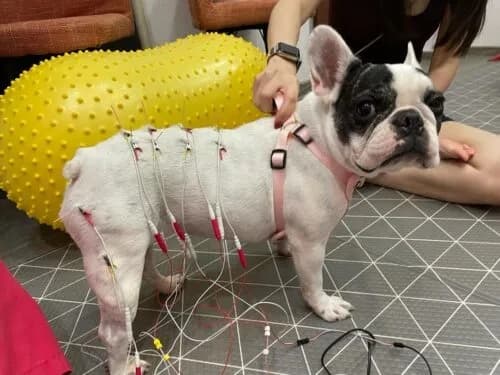
At RehabVet, we offer four types of veterinary acupuncture: Dry Needle Acupuncture (the foundation of every plan), Electroacupuncture (for neurological conditions and severe pain), Aquapuncture (B12 injection at acupoints), and Moxibustion (heat therapy for senior pets).
Natural Pain Relief
Triggers endorphin release — your pet's own natural painkillers. Reduces reliance on NSAIDs and strong prescription pain medications.
Accelerated Healing
Increases blood flow to damaged tissue, promoting faster recovery from surgery, injury, and chronic conditions.
Reduced Inflammation
Modulates the immune response, decreasing inflammatory markers that contribute to pain and joint damage.
Improved Mobility
Relaxes muscle spasms, reduces nerve compression, and restores range of motion — especially in senior dogs.
Dry Needle Acupuncture
Traditional acupuncture using fine, sterile needles inserted at specific acupoints. The foundation of every treatment plan.
Electroacupuncture
Mild electrical stimulation applied through acupuncture needles for deeper, more sustained effect. Particularly effective for neurological conditions and severe pain.
Aquapuncture
Injection of small amounts of vitamin B12 or saline at acupoints for prolonged stimulation. Useful for patients who won't tolerate needles for the full session duration.
Moxibustion
Application of heat from burning dried mugwort near acupoints. Used in TCVM to warm cold-deficient conditions, particularly beneficial for senior pets in air-conditioned environments.
What to expect at your first visit and every session after
Comprehensive Assessment
Your pet is assessed by our veterinary team using both Western diagnostics and TCVM evaluation. We review medical history, current medications, pain points, gait, range of motion, and tongue/pulse diagnosis (a TCVM technique). This takes 30–45 minutes for new patients.
Treatment Plan
Based on the assessment, we create a personalised treatment plan. This outlines which acupoints to target, whether electroacupuncture or moxibustion would benefit your pet, how many sessions to expect, and which additional modalities (laser, hydro, physio) to combine.
Needle Placement
Fine, sterile, single-use needles are gently inserted at the prescribed acupoints. Most dogs barely notice — the needles are thinner than a strand of hair. Your pet is allowed to rest in a comfortable position throughout.
Treatment (15–30 minutes)
Needles remain in place for 15–30 minutes while your pet relaxes. Many dogs fall asleep. If electroacupuncture is used, gentle electrical stimulation is applied — most pets tolerate this extremely well.
Post-Session Review
After needle removal, we assess your pet's immediate response and update the treatment plan. We provide at-home care instructions and schedule the next session. Progress is documented at every visit.
From chronic pain to post-surgery recovery
Chronic Pain & Arthritis
Osteoarthritis, degenerative joint disease, chronic musculoskeletal pain — acupuncture reduces inflammation and triggers endorphin release for natural, drug-free pain management.
IVDD (Slipped Disc)
One of the most common conditions we treat. Acupuncture reduces spinal inflammation, manages pain, and promotes nerve regeneration — often combined with laser therapy and physiotherapy.
Hip & Elbow Dysplasia
Acupuncture relieves the chronic pain and muscle tension associated with dysplasia, improving mobility and quality of life without relying solely on long-term medication.
Post-Surgery Recovery
Cruciate ligament repair, spinal surgery, fracture fixation — acupuncture accelerates healing, manages post-operative pain, and reduces swelling after surgical procedures.
Neurological Conditions
vVestibular disease, degenerative myelopathy, facial nerve paralysis — acupuncture stimulates nerve function and supports neurological recovery.
Senior Dog Wellness
Ageing dogs benefit enormously from regular acupuncture. It helps manage the aches of old age, supports cognitive function, improves appetite, and enhances overall quality of life.
Anxiety & Behavioural Issues
Acupuncture has a calming effect on the nervous system. It can help dogs with anxiety, storm phobia, and stress-related behaviours by regulating neurotransmitter balance.
Kidney & Organ Support
TCVM acupuncture supports organ function in dogs with chronic kidney disease, liver issues, or gastrointestinal problems — helping manage symptoms and slow disease progression.
Why pet owners in Singapore choose acupuncture at RehabVet
Factor Acupuncture NSAIDs / Medication Surgery Side effects Minimal to none GI upset, liver/kidney strain Anaesthesia risk, long recovery Invasiveness Non-invasive Oral / injectable Highly invasive Long-term use Safe indefinitely Risk increases over time One-time (usually) Addresses root cause Yes — promotes healing No — masks symptoms Depends on condition Cost per session $90–$250 $30–$80/month $3,000–$10,000+
Note: Acupuncture often works best alongside other treatments, not as a replacement. At RehabVet, we create integrated plans.
Transparent pricing — no hidden fees
Acupuncture pricing at RehabVet depends on your pet’s condition and the type of treatment recommended. An initial consultation is required for new patients. Exact pricing is discussed at your first visit.
Prefer to chat on WhatsApp?
Message us for a personalised quote — we’re happy to help.
Not all veterinary acupuncture is created equal
Singapore's first and only dedicated veterinary rehabilitation clinic
We are not a general practice vet that offers acupuncture on the side. Every therapist, piece of equipment, and treatment room at RehabVet exists for one purpose: rehabilitation and recovery. This focus means deeper expertise, better equipment, and more consistent outcomes than clinics where acupuncture is one of many general services.
Multimodal treatment — acupuncture + modern rehabilitation
What sets RehabVet apart is our integrative approach. Acupuncture works best as part of a comprehensive plan. We combine it with Class 4 laser therapy, underwater treadmill hydrotherapy, physiotherapy, and herbal medicine. This multimodal approach delivers better outcomes than acupuncture alone — and it's how the world's best veterinary rehabilitation centres operate.
TCVM-trained veterinary professionals
Our team are trained in Traditional Chinese Veterinary Medicine (TCVM) — not weekend-certified. Led by Dr. Sara Lam, 2025 Bright Minds Wellness Champion, our practitioners understand both the ancient art and modern science of veterinary acupuncture. This dual expertise means better diagnoses and more effective treatment.
240 verified 5-star Google reviews
Results speak. Our reviews come from real pet owners who've seen real improvements — dogs walking again after IVDD, senior pets with renewed energy, post-surgery patients recovering faster than expected. We don't cherry-pick testimonials; you can read every review on our Google Business Profile.
Featured in Straits Times, CNA, TODAY, and more
RehabVet has been featured across Singapore's major media outlets for our innovative approach to veterinary rehabilitation. This recognition reflects our standing as Singapore's leading specialist rehabilitation clinic.
Singapore’s veterinary acupuncture landscape
Feature RehabVet General Vet Clinics Mobile Acupuncture Dedicated rehab facility ✓ Purpose-built ✗ General practice ✗ Home visits Multimodal treatment ✓ Acu + laser + hydro + physio Limited Acupuncture only Specialist team ✓ Full rehab team 1–2 trained vets 1 vet Google reviews 240 (4.9★) Varies Limited Equipment ✓ Full rehab suite Basic Portable only
Qualified rehabilitation specialists
Lead Veterinarian
BVSc (Sydney), CCRT, CVA
Veterinary oversight for every rehabilitation plan — ensuring safe, clinically appropriate care for your pet.
Senior Therapist
Therapist
Therapist
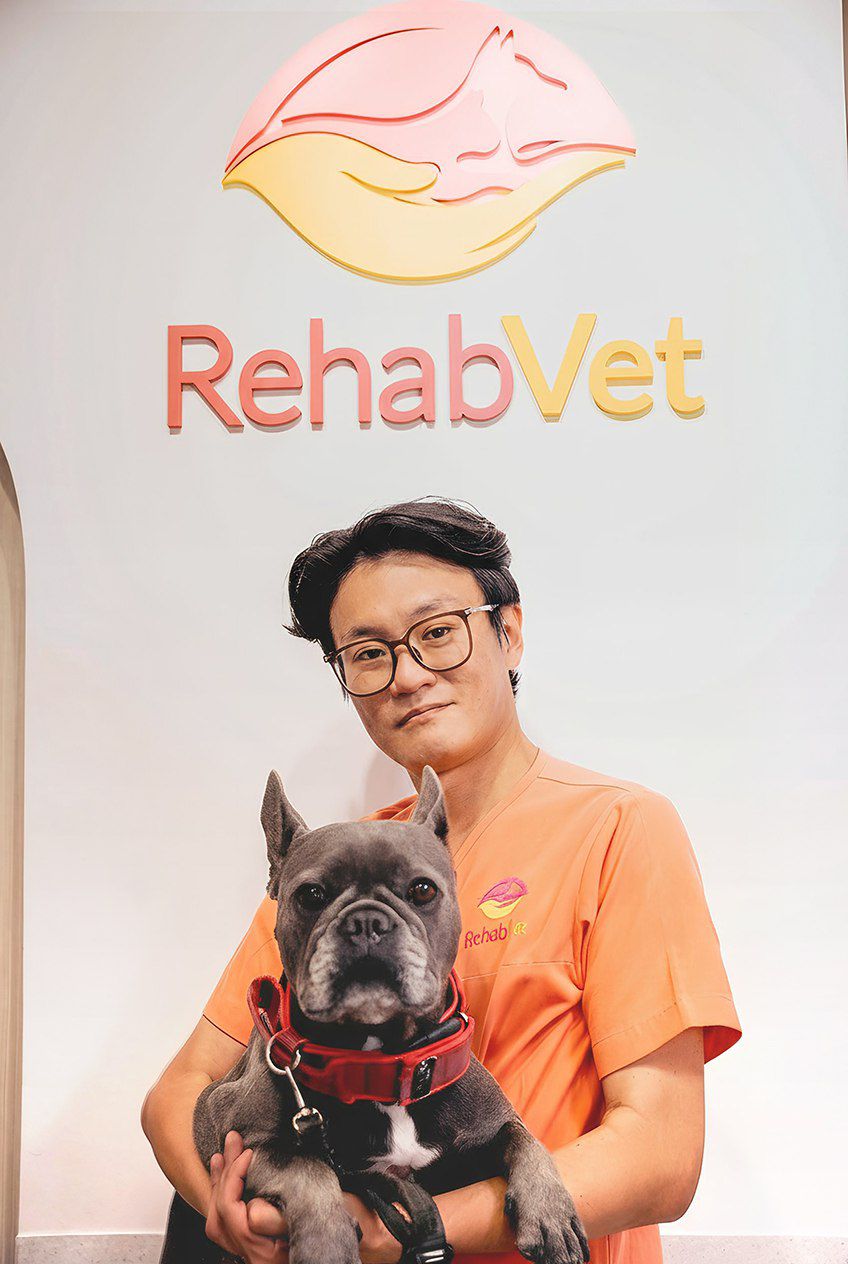
Therapist
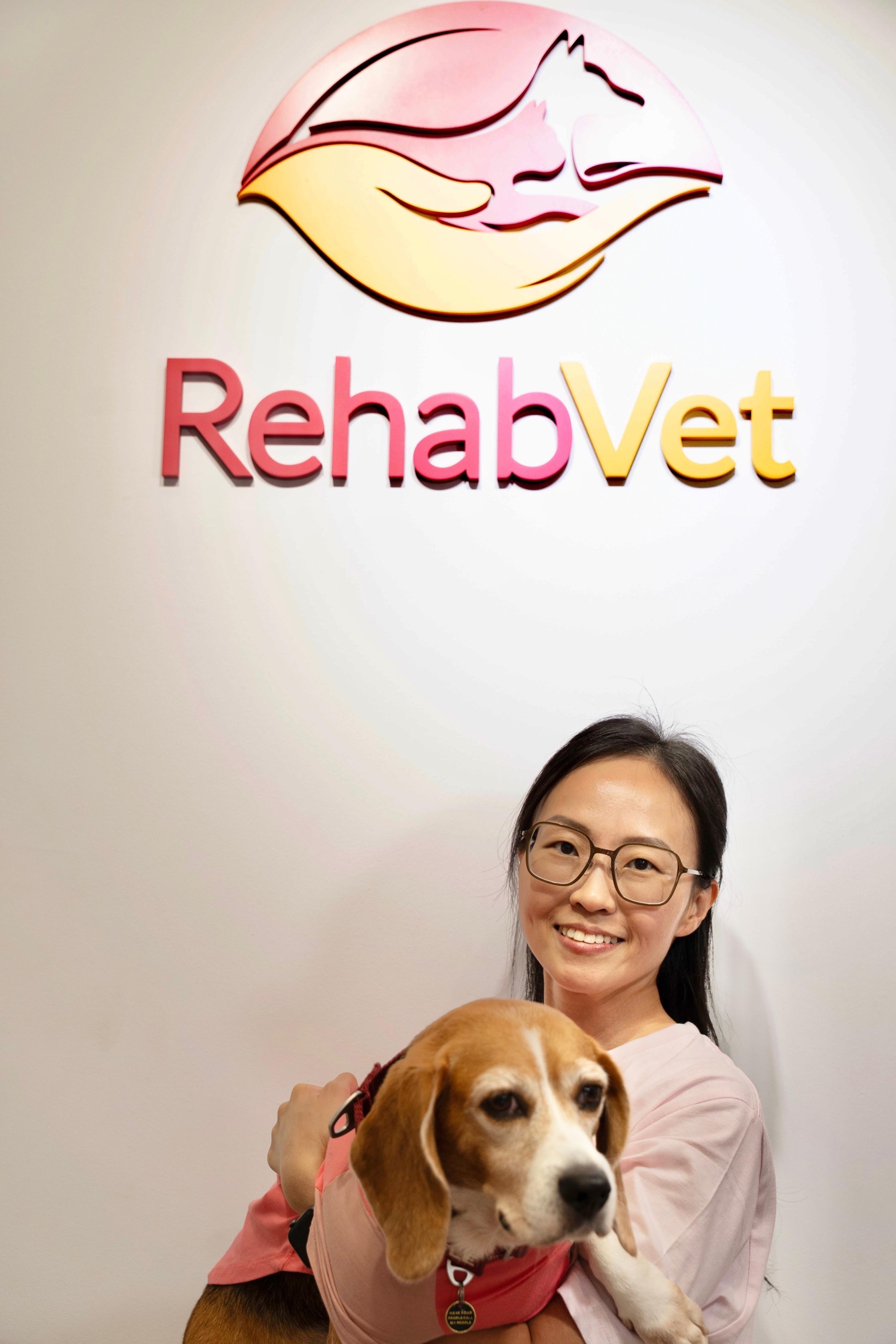
Client Relations, Marketing & Business Development Manager
Answers to what Singapore pet owners ask most
Yes — veterinary acupuncture is supported by extensive clinical research. It works by stimulating specific points on the body to release endorphins (natural painkillers), improve blood circulation, reduce inflammation, and modulate the nervous system. The World Small Animal Veterinary Association (WSAVA) recognises acupuncture as a valid complementary therapy. About 80% of animals respond positively to treatment, and at RehabVet, our 240 5-star Google reviews reflect real, measurable outcomes.
Some dogs show improvement after the very first session — often appearing more relaxed, mobile, or energetic within 24–48 hours. However, most conditions require 3–4 sessions before a significant response is seen. Chronic conditions like osteoarthritis or IVDD may need 6–10 sessions for sustained improvement. Our team tracks progress at every visit and adjusts the treatment plan accordingly.
Veterinary acupuncture is extremely safe. The most common side effects are mild and temporary: slight soreness at needle insertion points, drowsiness or extra sleepiness for 12–24 hours after treatment, and occasionally a brief worsening of symptoms before improvement (known as a ‘healing crisis’). Serious side effects are exceptionally rare when performed by trained veterinary acupuncturists using sterile, single-use needles — as we do at RehabVet.
A typical initial treatment plan involves 1–2 sessions per week for the first 3–4 weeks. As your dog improves, sessions are tapered to fortnightly, then monthly maintenance. Each session lasts 20–30 minutes. We create a personalised schedule at your first consultation.
At RehabVet, acupuncture sessions range from $90 to $250 per session depending on the complexity and whether it’s combined with other modalities (e.g., electroacupuncture, laser therapy). An initial consultation to assess your pet and create a treatment plan is required for new patients.
Acupuncture is safe for dogs of all ages, from puppies (typically 6 months and older) to senior dogs. Senior dogs are among the most common patients — acupuncture is especially effective for age-related conditions like arthritis, muscle wasting, and cognitive decline.
Absolutely. IVDD is one of the most common conditions we treat with acupuncture at RehabVet. Acupuncture helps manage pain, reduce inflammation around the spinal cord, and stimulate nerve regeneration. We typically combine it with laser therapy and physiotherapy for IVDD cases.
No referral is needed. You can book directly through our online booking system or WhatsApp us at 8798 7554. At your first visit, our team will conduct a full assessment and create a tailored treatment plan.
Most dogs tolerate acupuncture surprisingly well. The needles used are extremely fine — much thinner than injection needles — and insertion is virtually painless. Many dogs relax so deeply during sessions that they fall asleep.
Yes — acupuncture complements virtually all other treatments. It can be safely combined with Western medications, post-surgical rehabilitation, physiotherapy, hydrotherapy, and laser therapy. Many pet owners find that acupuncture allows them to reduce their dog’s medication dosage over time.
Veterinary acupuncture is effective for: chronic pain and osteoarthritis, IVDD and spinal conditions, hip and elbow dysplasia, cruciate ligament injuries, post-surgical recovery, neurological conditions, anxiety and behavioural issues, kidney disease, gastrointestinal problems, and general wellness for senior pets.
The principles are the same — stimulating specific points to promote natural healing — but veterinary acupuncture requires specialised training in animal anatomy, physiology, and behaviour. At RehabVet, our practitioners are trained in Traditional Chinese Veterinary Medicine (TCVM) and understand the unique acupoint maps for dogs and cats.
My family and I would like to thank RehabVet team for the care, dedication, and professionalism shown to our beloved Border Collie, Patches. During his rehabilitation journey, the therapists and staff were always patient, compassionate, and willing to answer our questions. It was evident that they genuinely cared about his well-being and worked hard to help him maintain the best quality of life possible.
Clean environment and knowledgeable people who loves pets. Highly recommended.
Great place for rehab and therapist
The only place that Aiko loves so wholeheartedly, greeting all staffs cheerfully the moment she enters and resting on their thighs after hydrotherapy so peacefully. The trust and demure of your dog tells it all. No bias or pre-conceived perceptions. We were surprised that the first five hydrotherapy sessions have helped to strengthen her hips and improve her level of energy. Sean is just the consummate professional!
This clinic combines effective treatment, compassionate handling, and up-to-date evidence-based rehabilitation tools. My dog has experienced very visible improvement after just a few sessions with them. Very effective. Many pet owners I spoke to at the clinic also gives it a thumbs up. They have a team of well trained and very caring professionals. I have not seen any dogs that are not comfortable with them over here. 👍🏻
We visited Rehabvet as Bruno was having some mobility issues with his hind legs. We had an excellent experience. They structured a massage / exercise / hydro schedule that worked wonders. Bruno is feeling much better now.
This is the best rehab clinic for my dog.
We've been bringing Kuma to RehabVet for physiotherapy and the experience has been outstanding. The team truly cares for every fur patient, and you can feel the warmth and dedication the moment you walk in. A special thank you to Hazel, Kuma's therapist, who is incredibly patient, attentive, and knowledgeable. She not only conducts the sessions with great care but also provides practical advice for us to continue strengthening Kuma's muscles at home and the results really show. Thank you as well to Dr. Sara, Xan, and the entire RehabVet team for the love and professionalism you show to every pet. If your furkid needs rehabilitation or physiotherapy, RehabVet is truly a place you can trust.
Had a very positive experience at the rehab vet. The entire team was professional, gentle, and reassuring throughout the session. Dr Sara was especially wonderful — knowledgeable, patient, and took the time to explain everything clearly without rushing. You can tell she genuinely cares about the animals and their recovery. The facility has also just been renovated and is very clean, modern, and calm, making it a comfortable and conducive environment for both pets and owners. Highly recommended.
We're truly grateful to Dr. Sara, the entire RehabVet team, and especially Xan, who has been exceptionally detailed and patient. The whole team has shown such genuine care throughout Milo's recovery journey. Milo was diagnosed with IVDD Grade 3 in late June 2025. Although he hasn't fully recovered yet, we've seen significant improvement over the past 3.5 months with pain relief treatments, hyperbaric oxygen therapy, acupuncture, and regular exercise sessions. We believe that slowly but surely, Milo will make a full recovery. Never give up!
Haru has been going to rehabvet since Nov 2025 to manage his mobility caused by luxating patellar and hip dysplasia. Thus far, we witnessed huge improvements thru several methods of rehabilitation such as ultrasound/laser therapy, land exercises and hydrotherapy! Aside from the treatments, what made us continue with them is the hospitality of the staff! They are always so welcoming and you could feel the warmth everytime you step into the clinic! Also, they treat your furkid with love and respect. Highly recommended.
I can't recommend RehabVet highly enough! My Happy, a pomeranian with patella luxation grade 3 on her left hind leg and hip dysplasia, has made incredible progress since starting physiotherapy here. The team is so knowledgeable, patient, and genuinely caring. All the therapists were fantastic and tailored the sessions perfectly to Happy's needs. The facilities are clean and well-equipped, and my dog always seemed comfortable and even enjoyed their sessions. If your furry friend needs some extra support, look no further than RehabVet!
We've been taking our dog to Rehab Vet Singapore for about 6–7 years, mainly for EMF therapy, water treadmill sessions, and joint and muscle supplements. After her hip surgery, she needed a comprehensive recovery plan, and the team here has provided just that and more. Their treatments have helped her regain strength and mobility, and the long-term maintenance has been invaluable in keeping her active and comfortable. The staff is knowledgeable, caring, and always focused on her needs. We truly appreciate the dedication they've shown over the years – highly recommend!
Went to RehabVet for a second opinion on a serious limp my husky had developed. They were exceptionally knowledgeable, gave practical advice and were very generous with their time. We moved forward with treatment and the non invasive options they gave have made him much more comfortable and the future is promising. From the first time I reached out via whatsapp they gave clear helpful advice, follow up on treatment, pictures, liaised with pet transportation and more. A really amazing full service experience. Thank you very much.
As a fur mummy, finding people who genuinely care for and love our babies is so important. I've found exactly that here, especially with Judette, Xan, Noelle, and Joyce. My babies, Barley (17yo cat) and Lexi (9yo dog), come in for pain management and rehab sessions, and I'm always completely comfortable with how they're treated. The team is incredibly patient, gentle, and kind, and it shows in the way they handle my pets. So grateful to have found a rehab centre I truly trust. Highly recommended.
My Shih Tzu, August, has osteoarthritis and he was unable to walk. We took him to RehabVet Clinic after reading good reviews about it on Google. Since November 2023, he has been having therapy here and has shown improvement in his mobility under the tender loving care from Dr Sara Lam and the staff members, with special mention and appreciation to Angeline, Joyce, Hui Tze and Shaun. My Puppy King will continue his treatment here as we have trust in this lovely team. Thank you!
Bubble has been with Rehab Vet for years as he grows older and manages his luxating patella. I am truly grateful to Doc Sara, Xan, Sean, Joyce, and the entire rehab team for always taking such wonderful care of Bubble and watching over him during every session. Bubble came from a condition whereby he couldn't even walk, he was paralysed. But really thankful to rehab vet that made the impossible, became possible. Thank you Doc Sara & all Rehab Team
Great team! Brought my dog Bunny in for a consultation because her luxating patella was getting worse. Bunny is an anxious dog so I expected her to be a handful during the consult but she was very calm in the therapists' presence! Shout out to Xan and Noelle for helping her feel at ease in a foreign place. I love the clinic's interior as well, the warm lights and pastel colours are very welcoming for both me and Bunny :)
Rehabvet was recommended to us by our vet because our dog dislocated her hip when she was a puppy. We've been going to Rehabvet for several years now and their standard of care has been consistently high throughout. Special shoutout to Sean for always trying his best to make her visits as comfortable as possible 👍 (She gets easily anxious)!!
Having been to several vets and rehabs with my senior Shih Tzu, my experience at RehabVet has been the best. My only regret was not bringing him here sooner when his issues first came up! My very anxious 15 year old kiddo was diagnosed with IVDD and is unable to move all his limbs voluntarily at all times. After the initial testing and diagnosis by Dr. Sara, he has had a few trips to the Hyperbaric O2 Therapy, Laser Therapy, and Electrical Stimulation with massages. Now, I can tell that he is in less pain and is also more comfortable and less anxious. I would highly recommend RehabVet to anyone thinking about it!
I can't thank Xan and his team at RehabVet enough for the incredible care they've given my dog. After a sudden incident where my dog started dragging both hind legs, the vet diagnosed him with IVDD stage 2. I decided to try physio at RehabVet, and it was the best decision I could have made. Within just 2-3 sessions, my dog's hind legs showed significant improvement—they were no longer wobbly. Now, after 7-8 sessions, he's regained his mobility and is even jumping around at home again. Xan's patience and dedication made all the difference. I highly recommend RehabVet to anyone in need of compassionate, effective care for their pet.
Always a pleasant experience here at RehabVet- clean area, calm ambience and super patient therapists. Staff are very willing to share tips on home care massages and explain in detail how our pups muscles work, gait observation and strength training for them!
Sean is an incredibly caring and skilled rehab therapist. He's gentle, patient, and truly treats every dog like his own. We saw clear improvement in our dog's mobility, and sessions are always handled with professionalism and compassion. Highly recommend!
Have a wonderful experience with the team at Rehab Vet. The staff are warm, friendly, and always patient in answering our enquiries. Their care and professionalism make every visit reassuring.
My senior dog has been with rehabvet since Sept 2025 after her leg surgery. We're happy to see improvement! Everyone is helpful and friendly here. Thanks rehabvet team!
Newly renovated place, more conducive for therapy sessions. Therapists are experienced in handling older dogs. Have been sending my 18 year old dog for therapy for more than a year.
The therapists are patient and helped improved my dog's arthritis condition. They taught us how to massage his joints and told us to use heat therapy.
My dog has been coming to rehabs for hips dysplasia at a young age of 2 years old & now is 10 years old & condition did not detoriate - glad we started early.
Mochi enjoys his physio sessions with Rehabvet. His LP grade reduced from 3 to 2 with regular weekly sessions. The therapists are friendly and always make sure the sessions intensity are suitable for him.
We've sent both our dogs to RehabVet for some years now. Thanks to the staff for always being so welcoming and caring. Butter loves his swim here.