
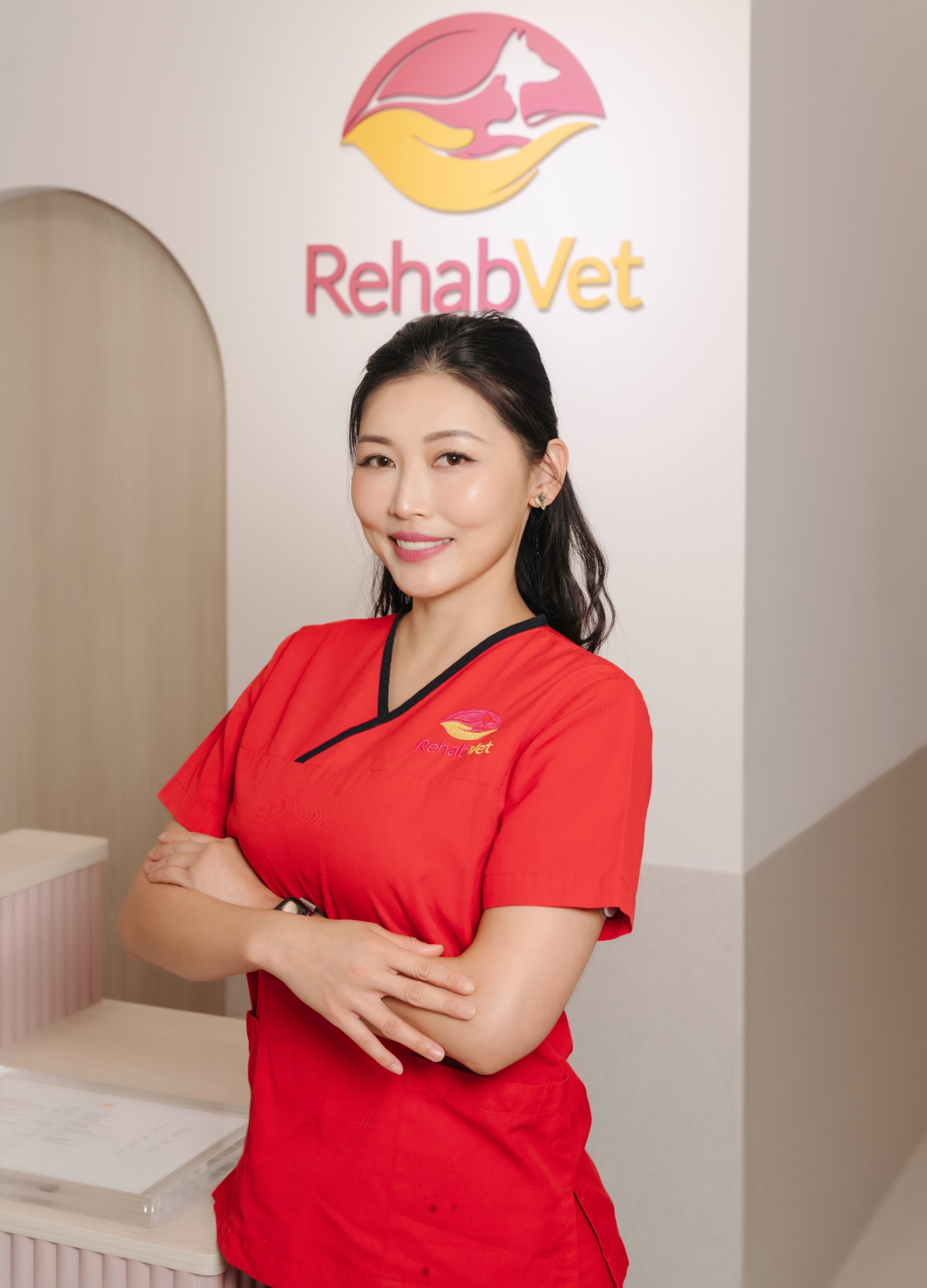
Lead Veterinarian
Dr. Sara Lam
Lead Veterinarian
BVSc (Sydney), CCRT, CVA
Veterinary oversight for every rehabilitation plan — ensuring safe, clinically appropriate care for your pet.
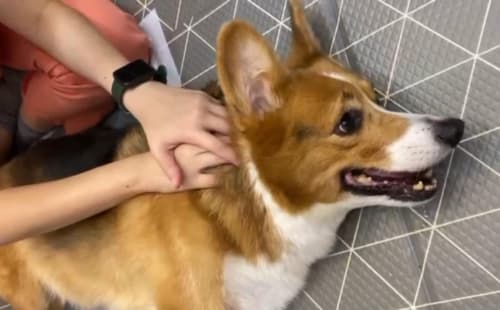
A 3,000-year-old healing system, refined for modern veterinary practice
Traditional Chinese Veterinary Medicine (TCVM) is a comprehensive medical system that has been used to diagnose and treat animals for over three millennia. It encompasses four major branches: acupuncture, Chinese herbal medicine, Tui Na (therapeutic massage), and food therapy (Chinese dietary therapy).
At its core, TCVM views the body as an interconnected system where health depends on the balanced flow of Qi (vital energy) through a network of meridians. Disease arises when this balance is disrupted — by injury, environmental factors, emotional stress, or constitutional weakness. TCVM diagnosis identifies the specific pattern of imbalance, and treatment is directed at restoring harmony.
Modern veterinary research has validated many of TCVM’s clinical observations. Studies published in Veterinary Surgery, the Journal of Veterinary Internal Medicine, and the American Journal of Traditional Chinese Veterinary Medicine demonstrate that acupuncture produces measurable physiological responses — including endorphin release, modulation of inflammatory pathways, improved blood circulation, and nerve stimulation.
At RehabVet, our approach to TCVM is integrative and evidence-based. We don’t view TCVM and Western medicine as competing philosophies — we see them as complementary systems that, together, offer the most comprehensive care possible for your pet. Every TCVM patient receives both a conventional veterinary assessment and a complete TCVM evaluation, ensuring nothing is missed.
Acupuncture
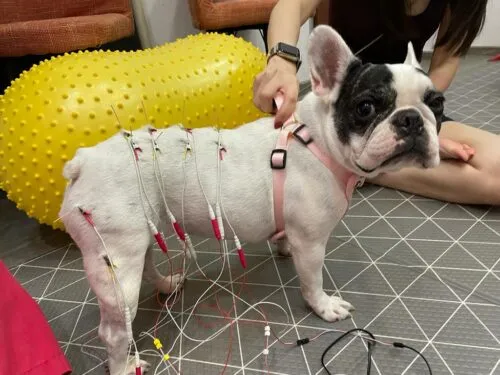
Fine, sterile needles at specific anatomical points to stimulate endorphin release, improve circulation, reduce inflammation, and modulate the nervous system — including dry-needle and electroacupuncture.
Chinese herbal medicine
Veterinary-grade herbal formulas prescribed to your pet’s TCVM pattern diagnosis — supporting pain relief, inflammation control, organ function, and root-cause care between sessions.
Tui Na (therapeutic massage)
Chinese medical massage along meridian pathways and acupuncture points to relieve muscle tension, improve joint mobility, promote circulation, and offer gentle pain relief — ideal for needle-shy pets.
Food therapy
Personalised dietary guidance based on thermal nature, flavour, and therapeutic action — using everyday foods as gentle, ongoing support for healing and balance.
Integrative, evidence-based — not alternative
Truly integrative approach
Every TCVM patient receives both a conventional veterinary assessment and a complete TCVM evaluation — tongue and pulse diagnosis, acupuncture point palpation, and pattern differentiation. We integrate findings from both systems for the most complete understanding of your pet's condition.
Certified veterinary acupuncturist
Our TCVM treatments are performed by a qualified veterinary professional with internationally recognised acupuncture certification. All treatments are supervised by our veterinary team led by Dr. Sara Lam BVSc.
Part of a comprehensive rehabilitation facility
TCVM at RehabVet isn't offered in isolation — it's integrated with hydrotherapy, physiotherapy, laser therapy, electrotherapy, and other rehabilitation modalities. This multimodal approach delivers superior outcomes compared to any single treatment.
Evidence-based practice
We are committed to transparency. We explain our TCVM diagnosis, the rationale for recommended treatments, expected outcomes, and realistic timelines. We track progress objectively and adjust treatment plans based on measurable data — not guesswork.
Dogs and cats
We have extensive experience treating both canine and feline patients with TCVM. Our therapists adapt techniques for each species' unique physiology and temperament.
Personalised treatment plans
No two pets receive the same TCVM treatment. Every plan is developed based on your pet's specific TCVM pattern diagnosis, constitution, condition, and treatment goals. We reassess and adjust at every visit.
Ready to take the next step?
Our rehabilitation team will assess your pet and build a personalised care plan.
Five treatment approaches, personalised for your pet
Each TCVM modality addresses a different aspect of healing. Most patients receive a combination tailored to their specific pattern diagnosis and condition.
Acupuncture
The most well-researched TCVM modality. Fine, sterile needles are inserted at specific anatomical points to stimulate the release of endorphins, improve blood circulation, reduce inflammation, and modulate the nervous system. Includes dry-needle acupuncture and electroacupuncture.
Electroacupuncture
A modern advancement where mild electrical currents are applied through acupuncture needles. Particularly effective for neurological conditions, IVDD, degenerative myelopathy, and severe chronic pain. The electrical stimulation enhances nerve regeneration and muscle activation beyond what dry needling alone achieves.
Chinese Herbal Medicine
Carefully selected, veterinary-grade herbal formulas prescribed to address your pet's specific TCVM pattern diagnosis. Herbal medicine provides ongoing therapeutic support between acupuncture sessions — managing pain, reducing inflammation, supporting organ function, and addressing the root cause of disease according to TCVM theory.
Tui Na (Chinese Medical Massage)
A specialised form of Chinese therapeutic massage that works along meridian pathways and acupuncture points. Tui Na relieves muscle tension, improves joint mobility, promotes circulation, and provides gentle pain relief. Particularly well-suited for pets who are needle-shy or as a complement to acupuncture.
Food Therapy (Chinese Dietary Therapy)
Foods are classified by their thermal nature (warming, cooling, neutral), flavour, and therapeutic action in TCVM. We provide personalised dietary recommendations based on your pet's constitution and condition — using everyday foods as gentle, ongoing medicine to support healing and maintain balance.

Evidence-based outcomes for chronic pain, neurological conditions, recovery, and holistic wellness
Drug-free pain management
TCVM — particularly acupuncture — provides significant pain relief by stimulating the release of endorphins, enkephalins, and dynorphins. This reduces dependence on NSAIDs, minimising the risk of gastrointestinal, renal, and hepatic side effects.
Treats the root cause, not just symptoms
While Western medicine excels at diagnosing specific diseases, TCVM focuses on identifying and correcting underlying imbalances — the patterns that lead to disease. This complementary approach often addresses issues that conventional treatment alone cannot fully resolve.
Reduced inflammation
Acupuncture downregulates pro-inflammatory cytokines and promotes anti-inflammatory mediators. Studies demonstrate measurable reductions in both localised and systemic inflammation — beneficial for arthritis, IVDD, and chronic inflammatory conditions.
Accelerated healing and recovery
By improving blood flow to injured tissues, acupuncture delivers more oxygen and nutrients while removing metabolic waste. Combined with herbal medicine, TCVM accelerates recovery after surgery, injury, or illness.
Enhanced neurological recovery
Electroacupuncture shows particular promise for IVDD, degenerative myelopathy, facial nerve paralysis, and vestibular disease. Electrical stimulation promotes nerve regeneration and helps restore function in paralysed patients.
Immune system support
TCVM herbal formulas and acupuncture can modulate immune function — upregulating a suppressed immune system and downregulating an overactive one. Valuable for autoimmune conditions and immunocompromised pets.
Gastrointestinal support
Acupuncture and herbal medicine regulate digestive function effectively — particularly useful for chronic GI issues such as IBD, chronic nausea, appetite loss, or recurrent diarrhoea.
Stress and anxiety reduction
Acupuncture has a profoundly calming effect on the nervous system. Many dogs visibly relax during sessions. Herbal formulas provide ongoing anxiolytic support for chronically anxious pets.
Complements Western veterinary medicine
TCVM is not an alternative to conventional medicine — it is a powerful complement. At RehabVet, we integrate TCVM with physiotherapy, hydrotherapy, laser therapy, and conventional care.
Minimal side effects
TCVM modalities have an exceptionally low risk of adverse effects when practised by qualified veterinary professionals. Acupuncture needles are fine, sterile, and single-use. Side effects are rare and mild.
From chronic pain and arthritis to neurological recovery and digestive disorders — TCVM offers therapeutic support across a wide range of conditions in dogs and cats.
Osteoarthritis and chronic joint pain
Arthritis is one of the most common and responsive conditions for TCVM treatment. Acupuncture provides significant pain relief while herbal formulas address the underlying inflammation and joint degeneration. Many arthritic pets show measurable improvements in mobility and comfort within 3–4 sessions.
Neurological conditions
Degenerative myelopathy, fibrocartilaginous embolism (FCE), vestibular disease, facial nerve paralysis, and post-surgical nerve injuries all benefit from TCVM. Electroacupuncture in particular can stimulate dormant nerve pathways and promote regeneration.
Post-surgical recovery
Acupuncture accelerates healing after orthopaedic and spinal surgeries by reducing post-operative pain, swelling, and inflammation while promoting tissue repair. Herbal medicine supports the healing process from within. TCVM integrates seamlessly with conventional post-surgical rehabilitation.
Chronic pain syndromes
Pets with chronic pain that is difficult to manage with medication alone — or where medication side effects are a concern — often find significant relief through acupuncture and herbal medicine. The multimodal approach of TCVM can address pain from multiple angles simultaneously.
Gastrointestinal disorders
Inflammatory bowel disease (IBD), chronic vomiting, diarrhoea, appetite loss, and nausea respond well to acupuncture and herbal formulas. TCVM addresses digestive issues by strengthening the Spleen Qi and harmonising the digestive system — a unique perspective that often complements conventional GI treatment.
Anxiety and behavioural issues
TCVM views anxiety as a pattern of imbalance (often Liver Qi Stagnation or Heart Blood Deficiency) that can be addressed through acupuncture, herbal formulas, and food therapy. Many anxious pets show marked improvement in behaviour and stress tolerance with regular TCVM treatment.
Geriatric care and quality of life
Senior pets benefit enormously from TCVM. Acupuncture helps manage the pain, stiffness, and muscle wasting associated with ageing. Herbal formulas support organ function that declines with age. Food therapy recommendations optimise nutrition for the senior constitution. The goal is maintaining comfort, mobility, and quality of life for as long as possible.
A structured, integrative process from assessment to ongoing care
Dual assessment (Western + TCVM)
Your pet's first visit includes both a conventional veterinary examination and a complete TCVM evaluation — tongue and pulse diagnosis, acupuncture point palpation, and pattern differentiation according to TCVM theory. We also review any imaging, blood work, and surgical reports.
TCVM pattern diagnosis
Based on our assessment, we identify your pet's specific TCVM pattern — the underlying imbalance driving their condition. This is explained clearly to you, along with how it relates to the Western diagnosis. Understanding both perspectives gives us the most complete picture.
Personalised treatment plan
We design a tailored TCVM programme: which modalities (acupuncture, herbal medicine, Tui Na, food therapy), recommended frequency, expected timeline, and how TCVM integrates with any other treatments. All costs are discussed transparently.
Treatment sessions (30–60 minutes)
Acupuncture sessions typically involve 15–30 minutes of needle retention. Electroacupuncture adds electrical stimulation for neurological and severe pain cases. Tui Na may be performed before or after acupuncture. Many pets relax deeply — some fall asleep during treatment.
Ongoing management
Chinese herbal formulas provide continuous therapeutic support between sessions. Food therapy recommendations are integrated into your pet's daily diet. We reassess the TCVM pattern at regular intervals and adjust treatment accordingly — patterns evolve as your pet heals.
New to TCVM? Here’s what happens
Before the session
Bring medical history, imaging reports, blood work, and list of current medications. Note changes in appetite, energy, and behaviour — all relevant to TCVM diagnosis.
During the session (60–90 min first visit)
Includes both Western and TCVM assessments. We observe posture and gait, examine the tongue, take the pulse, and palpate acupuncture points. Treatment begins at this visit if appropriate.
After the session
Some pets are deeply relaxed or sleepy — this is normal and a good sign. You'll receive the TCVM treatment plan, herbal prescriptions, food therapy recommendations, and follow-up schedule.
Transparent pricing — no hidden fees
Chinese herbal formulas are prescribed and priced separately. Electroacupuncture and Tui Na carry no separate charge — they are delivered inside the session below.
TCVM consultation (60 min)
First visit for traditional Chinese veterinary medicine.
$149
Acupuncture session (30 min)
$169
5-session acupuncture package
Package total — $114.90 per session.
$574.50
10-session acupuncture package
Package total — $114.90 per session.
$1,149
Many pet insurance policies in Singapore now cover acupuncture as part of rehabilitation. We recommend checking with your insurer before your first appointment. We provide itemised invoices for insurance claims.
For a personalised quote based on your pet’s condition and treatment plan, WhatsApp us at +65 8798 7554.
Prefer to chat on WhatsApp?
Message us for a personalised quote — we’re happy to help.
Your vet will recommend the right approach for your pet’s condition
RehabVet offers both dry-needle acupuncture and electroacupuncture. The choice depends on your pet’s condition, severity, and treatment goals.
| Feature | Dry-Needle Acupuncture | Electroacupuncture |
|---|---|---|
| Method | Fine needles inserted at acupuncture points, retained 15–20 minutes | Needles + mild electrical stimulation via connected wires |
| Best for | Chronic pain, arthritis, anxiety, GI issues, general wellness | Neurological conditions (IVDD, DM), severe pain, muscle atrophy |
| Sensation | Minimal — most pets relax or sleep | Mild tingling — still well-tolerated by most pets |
| Session length | 20–30 minutes (needle retention) | 20–30 minutes (electrical stimulation) |
| Evidence | Extensive — endorphin release, anti-inflammatory effects well-documented | Strong evidence for nerve regeneration and neuromuscular activation |
| Ideal patients | All species and temperaments | Paralysis, severe disc disease, post-surgical nerve recovery |
Qualified rehabilitation specialists with TCVM expertise — led by Dr. Sara Lam BVSc
Lead Veterinarian
BVSc (Sydney), CCRT, CVA
Veterinary oversight for every rehabilitation plan — ensuring safe, clinically appropriate care for your pet.
Senior Therapist
Therapist
Hydrotherapist
Hydrotherapist
Client Relations, Marketing & Business Development Manager
Everything you need to know about Traditional Chinese Veterinary Medicine for your pet
My family and I would like to thank RehabVet team for the care, dedication, and professionalism shown to our beloved Border Collie, Patches. During his rehabilitation journey, the therapists and staff were always patient, compassionate, and willing to answer our questions. It was evident that they genuinely cared about his well-being and worked hard to help him maintain the best quality of life possible.
Clean environment and knowledgeable people who loves pets. Highly recommended.
Great place for rehab and therapist
The only place that Aiko loves so wholeheartedly, greeting all staffs cheerfully the moment she enters and resting on their thighs after hydrotherapy so peacefully. The trust and demure of your dog tells it all. No bias or pre-conceived perceptions. We were surprised that the first five hydrotherapy sessions have helped to strengthen her hips and improve her level of energy. Sean is just the consummate professional!
This clinic combines effective treatment, compassionate handling, and up-to-date evidence-based rehabilitation tools. My dog has experienced very visible improvement after just a few sessions with them. Very effective. Many pet owners I spoke to at the clinic also gives it a thumbs up. They have a team of well trained and very caring professionals. I have not seen any dogs that are not comfortable with them over here. 👍🏻
We visited Rehabvet as Bruno was having some mobility issues with his hind legs. We had an excellent experience. They structured a massage / exercise / hydro schedule that worked wonders. Bruno is feeling much better now.
This is the best rehab clinic for my dog.
We've been bringing Kuma to RehabVet for physiotherapy and the experience has been outstanding. The team truly cares for every fur patient, and you can feel the warmth and dedication the moment you walk in. A special thank you to Hazel, Kuma's therapist, who is incredibly patient, attentive, and knowledgeable. She not only conducts the sessions with great care but also provides practical advice for us to continue strengthening Kuma's muscles at home and the results really show. Thank you as well to Dr. Sara, Xan, and the entire RehabVet team for the love and professionalism you show to every pet. If your furkid needs rehabilitation or physiotherapy, RehabVet is truly a place you can trust.
Had a very positive experience at the rehab vet. The entire team was professional, gentle, and reassuring throughout the session. Dr Sara was especially wonderful — knowledgeable, patient, and took the time to explain everything clearly without rushing. You can tell she genuinely cares about the animals and their recovery. The facility has also just been renovated and is very clean, modern, and calm, making it a comfortable and conducive environment for both pets and owners. Highly recommended.
We're truly grateful to Dr. Sara, the entire RehabVet team, and especially Xan, who has been exceptionally detailed and patient. The whole team has shown such genuine care throughout Milo's recovery journey. Milo was diagnosed with IVDD Grade 3 in late June 2025. Although he hasn't fully recovered yet, we've seen significant improvement over the past 3.5 months with pain relief treatments, hyperbaric oxygen therapy, acupuncture, and regular exercise sessions. We believe that slowly but surely, Milo will make a full recovery. Never give up!
Haru has been going to rehabvet since Nov 2025 to manage his mobility caused by luxating patellar and hip dysplasia. Thus far, we witnessed huge improvements thru several methods of rehabilitation such as ultrasound/laser therapy, land exercises and hydrotherapy! Aside from the treatments, what made us continue with them is the hospitality of the staff! They are always so welcoming and you could feel the warmth everytime you step into the clinic! Also, they treat your furkid with love and respect. Highly recommended.
I can't recommend RehabVet highly enough! My Happy, a pomeranian with patella luxation grade 3 on her left hind leg and hip dysplasia, has made incredible progress since starting physiotherapy here. The team is so knowledgeable, patient, and genuinely caring. All the therapists were fantastic and tailored the sessions perfectly to Happy's needs. The facilities are clean and well-equipped, and my dog always seemed comfortable and even enjoyed their sessions. If your furry friend needs some extra support, look no further than RehabVet!
We've been taking our dog to Rehab Vet Singapore for about 6–7 years, mainly for EMF therapy, water treadmill sessions, and joint and muscle supplements. After her hip surgery, she needed a comprehensive recovery plan, and the team here has provided just that and more. Their treatments have helped her regain strength and mobility, and the long-term maintenance has been invaluable in keeping her active and comfortable. The staff is knowledgeable, caring, and always focused on her needs. We truly appreciate the dedication they've shown over the years – highly recommend!
Went to RehabVet for a second opinion on a serious limp my husky had developed. They were exceptionally knowledgeable, gave practical advice and were very generous with their time. We moved forward with treatment and the non invasive options they gave have made him much more comfortable and the future is promising. From the first time I reached out via whatsapp they gave clear helpful advice, follow up on treatment, pictures, liaised with pet transportation and more. A really amazing full service experience. Thank you very much.
As a fur mummy, finding people who genuinely care for and love our babies is so important. I've found exactly that here, especially with Judette, Xan, Noelle, and Joyce. My babies, Barley (17yo cat) and Lexi (9yo dog), come in for pain management and rehab sessions, and I'm always completely comfortable with how they're treated. The team is incredibly patient, gentle, and kind, and it shows in the way they handle my pets. So grateful to have found a rehab centre I truly trust. Highly recommended.
My Shih Tzu, August, has osteoarthritis and he was unable to walk. We took him to RehabVet Clinic after reading good reviews about it on Google. Since November 2023, he has been having therapy here and has shown improvement in his mobility under the tender loving care from Dr Sara Lam and the staff members, with special mention and appreciation to Angeline, Joyce, Hui Tze and Shaun. My Puppy King will continue his treatment here as we have trust in this lovely team. Thank you!
Bubble has been with Rehab Vet for years as he grows older and manages his luxating patella. I am truly grateful to Doc Sara, Xan, Sean, Joyce, and the entire rehab team for always taking such wonderful care of Bubble and watching over him during every session. Bubble came from a condition whereby he couldn't even walk, he was paralysed. But really thankful to rehab vet that made the impossible, became possible. Thank you Doc Sara & all Rehab Team
Great team! Brought my dog Bunny in for a consultation because her luxating patella was getting worse. Bunny is an anxious dog so I expected her to be a handful during the consult but she was very calm in the therapists' presence! Shout out to Xan and Noelle for helping her feel at ease in a foreign place. I love the clinic's interior as well, the warm lights and pastel colours are very welcoming for both me and Bunny :)
Rehabvet was recommended to us by our vet because our dog dislocated her hip when she was a puppy. We've been going to Rehabvet for several years now and their standard of care has been consistently high throughout. Special shoutout to Sean for always trying his best to make her visits as comfortable as possible 👍 (She gets easily anxious)!!
Having been to several vets and rehabs with my senior Shih Tzu, my experience at RehabVet has been the best. My only regret was not bringing him here sooner when his issues first came up! My very anxious 15 year old kiddo was diagnosed with IVDD and is unable to move all his limbs voluntarily at all times. After the initial testing and diagnosis by Dr. Sara, he has had a few trips to the Hyperbaric O2 Therapy, Laser Therapy, and Electrical Stimulation with massages. Now, I can tell that he is in less pain and is also more comfortable and less anxious. I would highly recommend RehabVet to anyone thinking about it!
I can't thank Xan and his team at RehabVet enough for the incredible care they've given my dog. After a sudden incident where my dog started dragging both hind legs, the vet diagnosed him with IVDD stage 2. I decided to try physio at RehabVet, and it was the best decision I could have made. Within just 2-3 sessions, my dog's hind legs showed significant improvement—they were no longer wobbly. Now, after 7-8 sessions, he's regained his mobility and is even jumping around at home again. Xan's patience and dedication made all the difference. I highly recommend RehabVet to anyone in need of compassionate, effective care for their pet.
Always a pleasant experience here at RehabVet- clean area, calm ambience and super patient therapists. Staff are very willing to share tips on home care massages and explain in detail how our pups muscles work, gait observation and strength training for them!
Sean is an incredibly caring and skilled rehab therapist. He's gentle, patient, and truly treats every dog like his own. We saw clear improvement in our dog's mobility, and sessions are always handled with professionalism and compassion. Highly recommend!
Have a wonderful experience with the team at Rehab Vet. The staff are warm, friendly, and always patient in answering our enquiries. Their care and professionalism make every visit reassuring.
My senior dog has been with rehabvet since Sept 2025 after her leg surgery. We're happy to see improvement! Everyone is helpful and friendly here. Thanks rehabvet team!
Newly renovated place, more conducive for therapy sessions. Therapists are experienced in handling older dogs. Have been sending my 18 year old dog for therapy for more than a year.
The therapists are patient and helped improved my dog's arthritis condition. They taught us how to massage his joints and told us to use heat therapy.
My dog has been coming to rehabs for hips dysplasia at a young age of 2 years old & now is 10 years old & condition did not detoriate - glad we started early.
Mochi enjoys his physio sessions with Rehabvet. His LP grade reduced from 3 to 2 with regular weekly sessions. The therapists are friendly and always make sure the sessions intensity are suitable for him.
We've sent both our dogs to RehabVet for some years now. Thanks to the staff for always being so welcoming and caring. Butter loves his swim here.