Hip Dysplasia and Hydrotherapy for Dogs
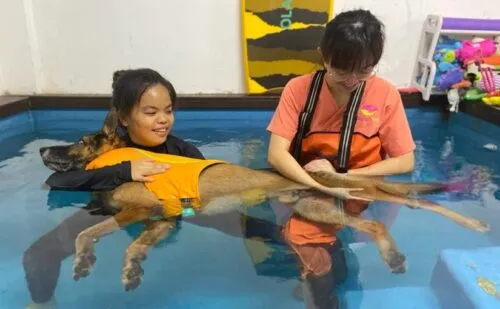
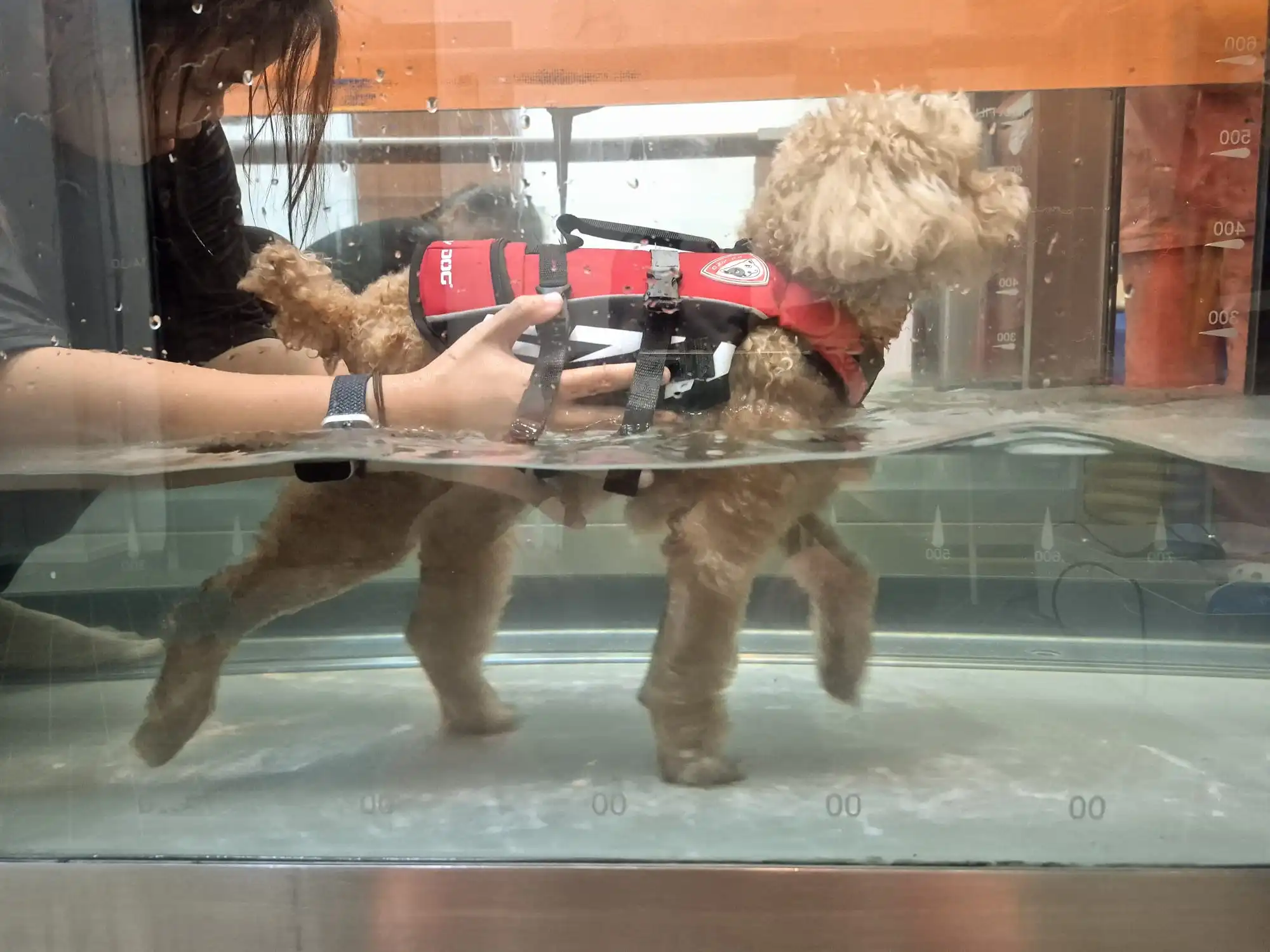
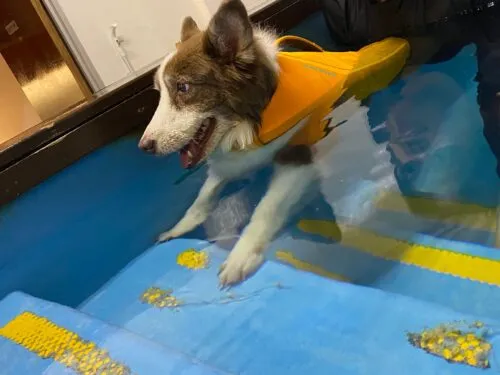
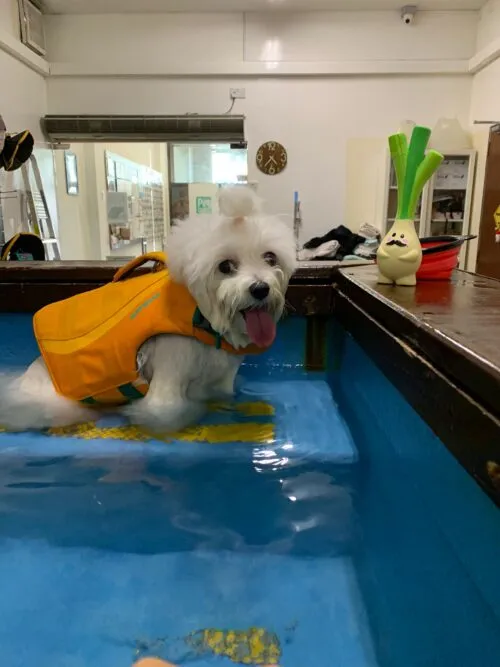
Hip dysplasia is a common orthopedic condition that affects many dogs, particularly larger breeds. It is a developmental disorder of the hip joint, where the ball and socket do not fit together properly, leading to joint instability, pain, and reduced mobility. While hip dysplasia cannot be cured, there are various treatment options available to manage the condition and improve the quality of life for affected dogs. One such option is hydrotherapy, a therapeutic approach that utilises water exercises to alleviate symptoms and promote joint health. In this article, we will explore how hydrotherapy can benefit dogs with hip dysplasia and provide them with relief and improved functionality.
Understanding Hip Dysplasia
Hip dysplasia occurs when the hip joint fails to develop normally, resulting in an abnormal fit between the femoral head (the ball) and the acetabulum (the socket). This can lead to joint laxity, cartilage damage, inflammation, and eventual degenerative changes in the joint. Hip dysplasia can be caused by genetic factors, environmental factors, or a combination of both. The condition may manifest at different ages, with symptoms ranging from mild discomfort to severe lameness.
How Hydrotherapy Can Help
1. Joint Lubrication and Range of Motion
Hydrotherapy exercises involve controlled movements in water, which allows for gentle stretching and increased joint mobility. The buoyancy of water reduces the weight-bearing load on the hip joints, relieving pressure and facilitating smoother movements. As the dog moves through the water, the joints receive low-impact exercise, promoting joint lubrication and preventing stiffness.
2. Muscle Strengthening
Hydrotherapy provides an excellent opportunity for dogs to engage in muscle-strengthening exercises without putting excessive strain on the hip joints. The resistance offered by the water challenges the muscles, promoting their development and strengthening. Stronger muscles surrounding the hip joint provide better support and stability, alleviating stress on the joint and improving overall functionality.
3. Pain Relief and Reduced Inflammation
The warmth of the water used in hydrotherapy sessions helps to relax muscles and increase blood circulation. This, in turn, reduces pain and inflammation associated with hip dysplasia. The hydrostatic pressure exerted by the water also aids in reducing swelling and oedema around the affected joint, providing further relief.
4. Weight Management
Maintaining a healthy weight is crucial for dogs with hip dysplasia, as excess weight places additional stress on the already compromised joints. Hydrotherapy can be a valuable component of a weight management program for these dogs. The water’s buoyancy supports the dog’s weight, allowing for safe and effective exercise without overburdening the joints.
5. Psychological Benefits
Dealing with a chronic condition like hip dysplasia can take a toll on a dog’s mental well-being. Hydrotherapy sessions provide an opportunity for dogs to enjoy a positive and stimulating environment. The soothing nature of water, combined with the guidance and encouragement from trained hydrotherapists, can boost a dog’s morale and improve their overall psychological state. Hydrotherapy for dogs is a valuable treatment modality for dogs with hip dysplasia in dogs, offering a range of benefits including joint lubrication, improved range of motion, muscle strengthening, pain relief, weight management, and psychological well-being. It is essential to consult with a qualified veterinarian or certified hydrotherapist to develop a tailored hydrotherapy program suitable for your dog’s specific needs. By incorporating hydrotherapy into a comprehensive canine physiotherapy treatment plan, you can enhance your dog’s comfort, mobility, and overall quality of life.
Suspect hip dysplasia in your dog?
Book an assessment — we combine hydrotherapy, physiotherapy, and a clear treatment plan for hip dysplasia.