Hyperbaric Oxygen Treatment for Animals
Just as the field of human healthcare continues to evolve, veterinary medicine is also making great strides. One such area of advancement is in the application of Hyperbaric Oxygen Therapy (HBOT) to our furry, scaly, or feathery friends. But what is Hyperbaric Oxygen Treatment for Animals and how does it work? Well, buckle up for an in-depth exploration of this trailblazing therapeutic technique.
What is Hyperbaric Oxygen Treatment for Animals and how does it work?
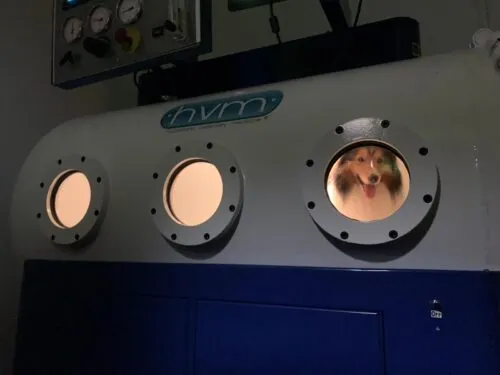
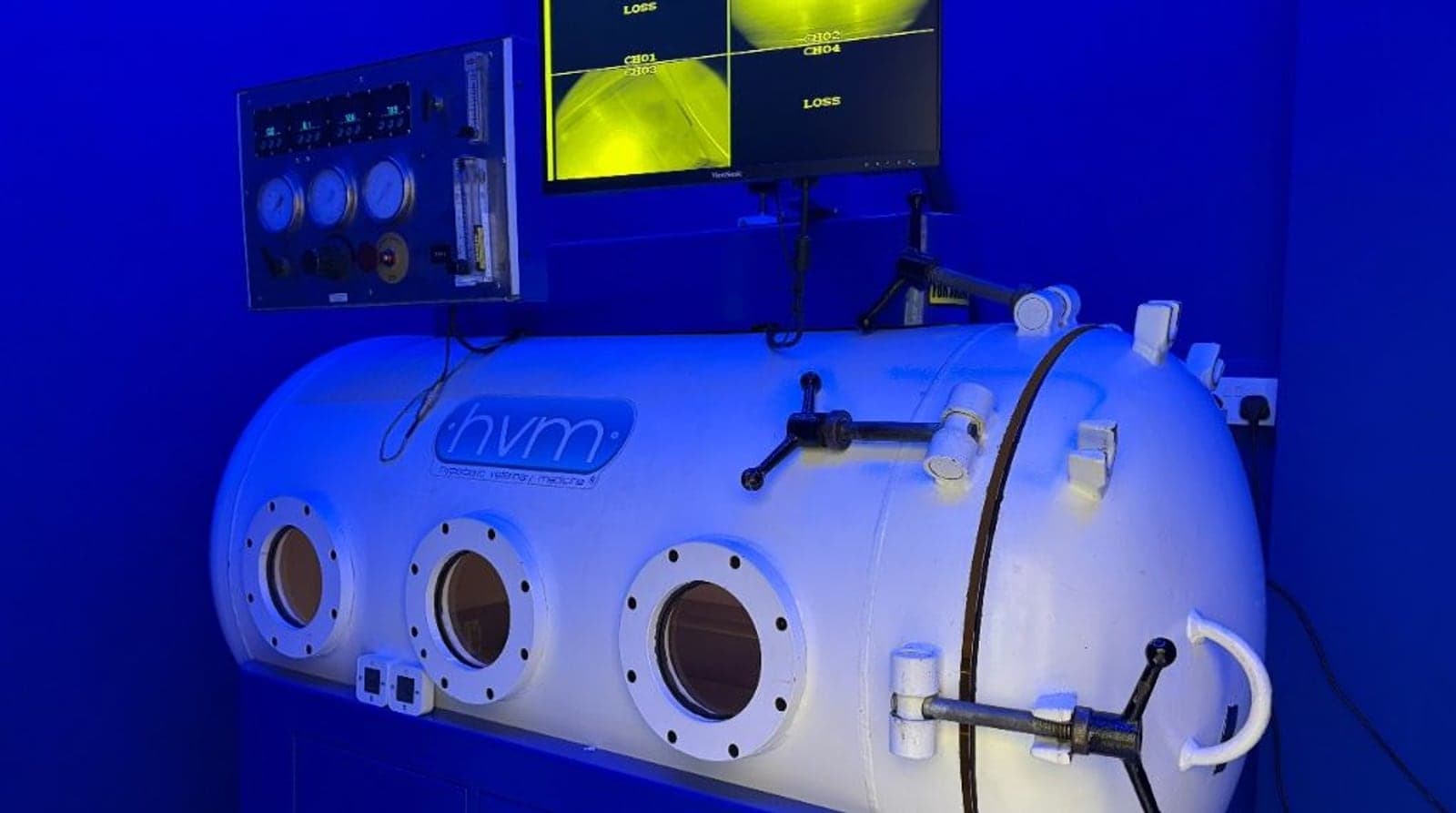
HBOT is an innovative, non-invasive therapy that involves administering high concentrations of oxygen at increased atmospheric pressure in a controlled chamber. The goal? Enhancing the body’s natural healing processes. Initially developed for human treatment, it has branched out to become an integral part of modern veterinary practice.
The Science Behind Hyperbaric Oxygen Therapy
Hyperbaric Chambers and Their Function
Hyperbaric chambers are at the heart of HBOT. They are sealed enclosures that allow for the manipulation of internal pressure while delivering a high oxygen concentration. But, how exactly does it work?
Oxygen, Pressure, and the Healing Process
The fundamentals of HBOT lie in two primary concepts – oxygen and pressure. In this process, a patient is placed in a hyperbaric chamber where the atmospheric pressure is increased, typically up to two to three times the normal level. Concurrently, the patient breathes in pure oxygen. This combination results in the oxygen dissolving into the bloodstream and body tissues at a significantly higher rate than under normal conditions.
Hyperbaric Oxygen Treatment Applications in Veterinary Medicine
Use of HBOT in Treating Traumatic Injuries
One of the prominent uses of hyperbaric oxygen therapy in animals is in managing traumatic injuries. Be it a severe wound, a bad burn, or a post-surgical complication, HBOT can accelerate healing.
HBOT for Chronic Conditions
Beyond acute cases, hyperbaric oxygen therapy is also utilized in managing chronic conditions in animals. Conditions such as arthritis and non-healing ulcers have shown improvement with the use of HBOT.
Hyperbaric Oxygen Therapy in Neurological Conditions
HBOT has shown promise in managing neurological conditions in pets. From spinal cord injuries to stroke, the increased oxygen concentration helps decrease inflammation and promote neuronal recovery.
Benefits and Risks of Hyperbaric Oxygen Therapy for Animals
Unleashing the Benefits
HBOT comes with a host of benefits, making it an attractive treatment option in various clinical situations. It’s a non-invasive, painless procedure with the ability to speed up recovery.
Contemplating the Risks
Like all medical procedures, HBOT is not devoid of risks. Although considered safe, it’s essential to understand potential complications, like oxygen toxicity and barotrauma, to ensure the best possible care for your pet.
FAQs
Considering HBOT for your pet?
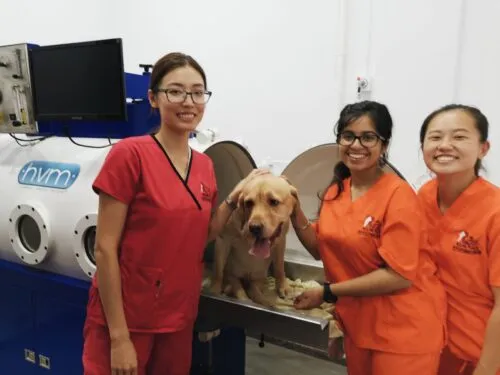
RehabVet offers in-clinic HBOT alongside full rehabilitation — prescribed after assessment.
Conclusion
The field of veterinary medicine has certainly come a long way, and Hyperbaric Oxygen Treatment stands as a testament to this progress. As we continue to unravel what is Hyperbaric Oxygen Treatment for Animals and how does it work, one thing’s for sure – the future looks bright for our beloved animal companions.