Dog Acupuncture Side Effects: Is It Safe, and Does It Work?
Most dogs have no side effects from acupuncture at all. When side effects do happen they are mild and short-lived, and serious problems are rare when a vet trained in acupuncture does the treatment with sterile, single-use needles. This guide covers what's normal after a session, the warning signs worth a call to your vet, and what the evidence says about whether acupuncture works for dogs.
The short answer: Normal after dog acupuncture: sleepiness for up to a day, slight soreness or a drop of blood at a needle site, and sometimes a brief flare of stiffness for 24–48 hours. Call your vet if your dog is worse after 48 hours, stops eating, develops new weakness, or a needle site becomes hot, swollen or oozes.
Side effects at a glance
| Side effect | How common | How long it lasts | What to do |
|---|---|---|---|
| Sleepiness or extra rest | Common | A few hours to 1 day | Let your dog rest. Normal if eating and drinking. |
| Brief flinch or soreness at a needle site | Common | Seconds to a few hours | Tell the vet during the session so they can adjust. |
| A drop of blood | Occasional | Stops within a minute | Press gently with clean gauze. |
| Small bruise | Occasional | 2–4 days | Watch it. No treatment needed. |
| Short flare of stiffness or pain | Occasional | 24–48 hours | Rest, keep walks short, tell your vet before the next session. |
| Infection at a needle site | Rare | Until treated | See your vet: heat, swelling or discharge needs checking. |
| Nerve or organ injury from a misplaced needle | Very rare | Varies | Avoid by choosing a vet certified in acupuncture. |
How Does Acupuncture for Pets Work?
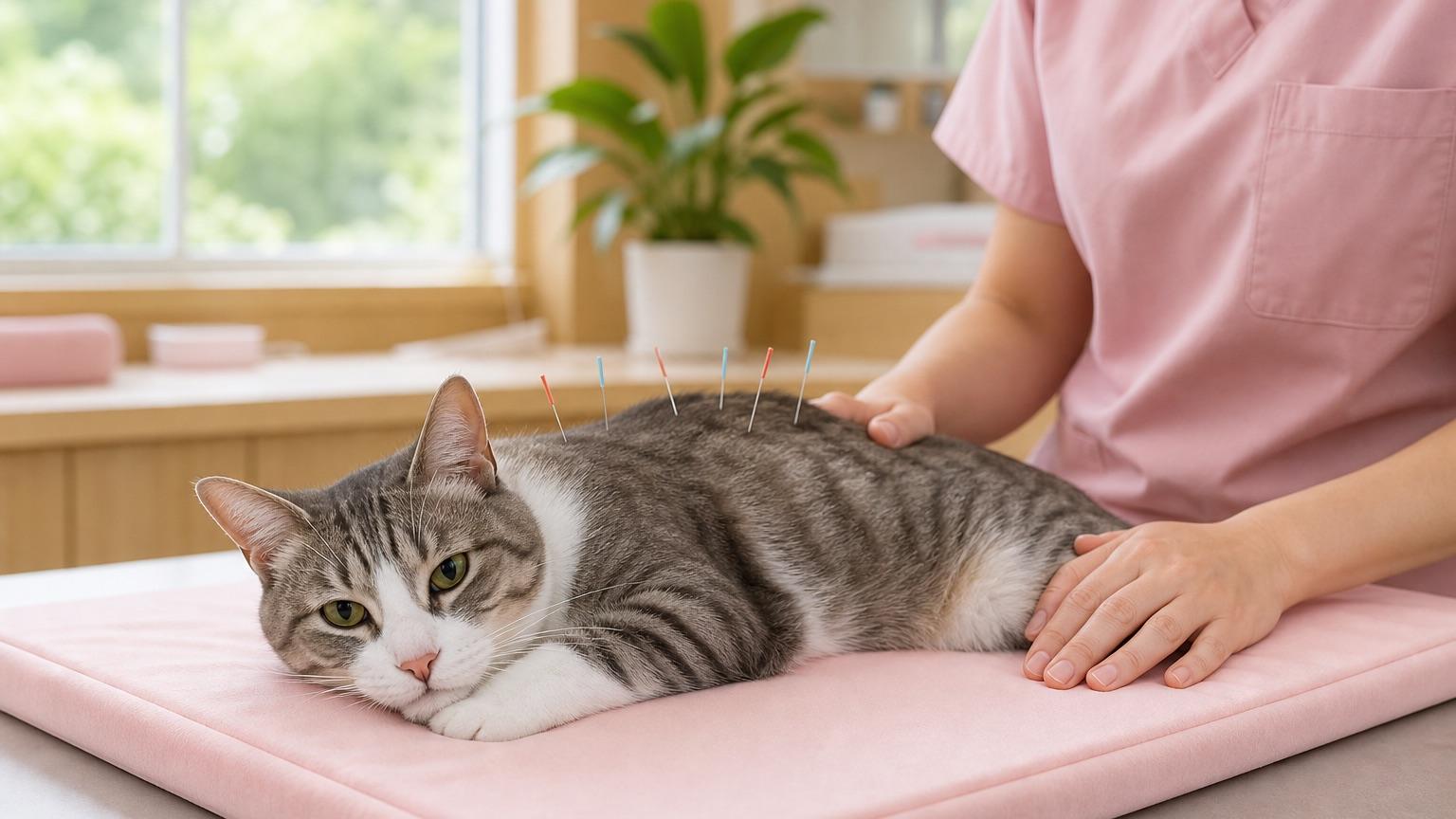
Before diving into side effects, it helps to understand how veterinary acupuncture works. Originating in Traditional Chinese Medicine (TCM), acupuncture involves inserting very thin, sterile needles into specific points on the body—called acupuncture points or meridians. These points correspond to pathways of energy flow (Qi), which, when stimulated, can help rebalance the body and promote natural healing.
From a Western veterinary perspective, acupuncture is believed to:
- Stimulate Nerves: Triggering the release of natural painkillers and neurotransmitters such as endorphins.
- Improve Blood Circulation: Bringing oxygen and nutrients to damaged tissues and reducing inflammation.
- Modulate Inflammation: Helping regulate the immune response, which can be particularly beneficial for chronic inflammatory conditions.
Because the needles are so fine and the insertion shallow, most pets tolerate acupuncture sessions extremely well. In fact, many become relaxed or even drowsy during the procedure. Nonetheless, understanding the potential side effects is crucial for any pet owner considering this therapy.
Common, Minor Side Effects
Mild Discomfort at Needle Sites
What Happens: As the vet inserts or manipulates the needles, a pet may flinch or show brief signs of discomfort. Some animals seem completely unbothered, while others might react if they’re particularly sensitive in certain areas.
Why It Occurs: Nerves are being stimulated, and even gentle pressure can feel unusual. Additionally, if a pet is already in pain—such as from an arthritic joint—touching that area might temporarily increase sensitivity.
What to Do: If you notice your pet expressing discomfort, let the veterinarian know so they can adjust the needle placement or technique accordingly. A short moment of mild discomfort is usually followed by relaxation as endorphins begin to circulate.
Small Amount of Bleeding
What Happens: Occasionally, a drop or two of blood may appear at the needle insertion site, especially if the vet has placed a needle near a small capillary.
Why It Occurs: Very thin blood vessels under the skin may be nicked by the needle.
What to Do: This minor bleeding usually stops quickly on its own and doesn’t cause lasting harm. A gentle dab with a sterile gauze or cotton pad is often sufficient.
Temporary Bruising
What Happens: Light bruising or swelling can occasionally appear around the needle site.
Why It Occurs: Similar to bleeding, small blood vessels may be irritated or broken, causing localized bruising.
What to Do: If bruising appears, monitor the area to ensure it does not become infected or overly painful. Bruising typically resolves within a few days.
Fatigue or Lethargy
What Happens: Some pets may appear sleepy or lethargic for several hours or even a day after a session.
Why It Occurs: Acupuncture can stimulate the body to release endorphins, promoting a sense of relaxation that may extend beyond the session. Also, if the therapy triggers a healing response, the body may need additional rest.
What to Do: Allow your pet a calm, quiet space to rest. As long as appetite and hydration remain normal, this post-acupuncture lethargy is generally nothing to worry about and often indicates the therapy is working.
Rare or More Serious Risks
Infection
Risk Factor: The most significant concern with any procedure involving needles is the risk of infection. However, infections from veterinary acupuncture are extremely rare.
Why: Qualified veterinary acupuncturists use sterile, single-use needles and follow strict hygiene protocols. If a pet’s skin is already infected or injured, the vet may avoid that area or postpone acupuncture until the issue is resolved.
How to Avoid: Always ensure your veterinarian is properly certified, maintains a clean environment, and practices rigorous sterilization.
Worsening of Symptoms
Risk Factor: In some cases, pets might initially experience a temporary increase in pain or discomfort in the days following acupuncture.
Why: This is sometimes referred to as a “healing crisis,” where the body reacts to the nerve stimulation. It can be part of the healing process in certain conditions but should be monitored carefully.
How to Manage: Stay in close communication with your vet. If the discomfort is severe or lasts more than a day or two, schedule a recheck to ensure there’s no underlying complication.
Incorrect Technique or Needle Placement
Risk Factor: If the acupuncturist lacks proper training or certification, there’s a higher chance of improper needle placement that could result in pain, nerve damage, or other complications.
How to Avoid: This underscores the importance of choosing a credentialed veterinary acupuncturist. Look for certifications from reputable organizations, such as the International Veterinary Acupuncture Society (IVAS) or the American Academy of Veterinary Acupuncture (AAVA).
Is your dog worse after acupuncture?
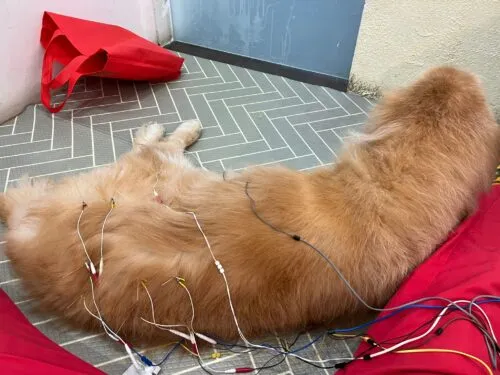
A day or two of extra stiffness, restlessness or tiredness after a session is a known reaction, especially in the first few treatments or after a longer session or electroacupuncture. It usually settles within 24–48 hours, and many dogs then move better than before.
Usually fine: sleeping more, a little stiff getting up, slightly more sensitive where needles went in, eating and drinking normally.
Call your vet: worse after 48 hours; not eating or vomiting; new wobbliness, knuckling or weakness in the legs; crying out when touched; a needle site that is hot, swollen or oozing. Dogs being treated for disc disease (IVDD) need a prompt recheck if their walking gets worse, because that can be the disc rather than the acupuncture.
If your dog had a flare, mention it before the next session. Your vet can use fewer points, shorter needle times or skip electroacupuncture for a visit.
Does acupuncture work for dogs?
For some problems, yes, and the evidence is strongest for spinal and nerve-related pain. In dogs with thoracolumbar disc disease, studies in the Journal of the American Veterinary Medical Association found that adding electroacupuncture to standard care helped more dogs walk again, and helped them do it sooner, than standard care alone (Hayashi et al., 2007; Joaquim et al., 2010).
For arthritis and long-term pain, the studies are smaller and the results are mixed. Many dogs do move more comfortably, and acupuncture can let some dogs manage on less pain medication, but it works best as one part of a plan alongside weight control, exercise, physiotherapy and medicines your vet prescribes. It is not a replacement for diagnosis, surgery when surgery is needed, or pain relief.
Most dogs that respond show a change within 3–5 weekly sessions. If there is no change by then, it is reasonable to stop or change the plan. See what conditions acupuncture can help and our dog acupuncture service for how sessions run at RehabVet.
Which dogs need extra care?
Acupuncture suits puppies, seniors and most dogs with chronic conditions, but your vet will adjust or avoid certain points in these cases:
- Pregnant dogs: some points are avoided.
- Dogs with seizures or a pacemaker: electroacupuncture is usually avoided.
- Bleeding or clotting problems: fewer needles and closer checks.
- Tumours, skin infections or open wounds: those areas are not needled.
- Very anxious dogs: fewer points, shorter sessions or gentle Tui-na massage instead.
Cats get the same kind of side effects and are usually treated with fewer needles. See cat acupuncture.
Precautions to Minimize Risks
Choose a Certified Veterinary Acupuncturist
- Qualifications: Confirm that your vet has undergone specialized training in veterinary acupuncture. Human acupuncture training alone is insufficient.
- Experience: Ask how many cases similar to your pet’s condition they’ve treated and with what level of success.
Have a Thorough Health Evaluation
Before beginning acupuncture, your pet should undergo a comprehensive exam. This may include:
- Bloodwork: To check organ function and rule out any underlying infections or diseases.
- Imaging: If mobility issues or chronic pain are present, X-rays or MRIs can help identify specific problem areas (e.g., arthritis, spinal issues).
- Medical History Review: Make sure to mention any medications your pet is taking, as certain conditions may affect how your vet approaches acupuncture.
Monitor Your Pet’s Response
- Short-Term: Watch for changes in behavior, appetite, or mobility right after the session. Some pets show immediate improvements, while others need a series of sessions.
- Long-Term: Keep track of how your pet’s condition progresses over multiple sessions. Share updates with your vet to adjust the treatment plan as needed.
Combine Therapies Appropriately
Acupuncture often works best when combined with other treatments, such as:
- Medication: Pain relievers or anti-inflammatories may still be necessary, at least initially.
- Diet and Supplements: Nutritional support can enhance the overall healing effect.
- Physical Therapy: Exercises to strengthen the muscles around affected joints, or hydrotherapy sessions, if mobility is an issue.
Making sure all treatments are coordinated helps ensure your pet’s health is approached holistically and reduces the chance of adverse interactions.
Monitoring and Adjusting Treatment
Frequency of Sessions
- Chronic Conditions: Pets with long-standing issues (e.g., arthritis, neurological disorders) might require weekly or biweekly sessions initially, tapering to monthly or as needed.
- Acute Issues: Certain ailments might only need 1–3 sessions for noticeable improvement.
Communication with Your Vet
Regular communication with your veterinarian or veterinary acupuncturist is key:
- Report Any Changes: If you notice worsening symptoms or new behaviors post-session, let the vet know immediately.
- Assess Effectiveness: Over time, you should start seeing improvements in your pet’s pain levels, mobility, or overall demeanor. If not, the vet may adjust needling points or explore additional therapies.
Questions about acupuncture safety?
Our team can walk you through risks, benefits, and whether it's right for your pet.
Frequently asked questions
Usually not. The needles are much thinner than injection needles. Some dogs flinch as a needle goes in over a sore area, and most settle and many fall asleep within a few minutes.
Most dogs are sleepy for a few hours, and some for up to a day. That is normal as long as your dog eats, drinks and toilets as usual.
A short flare of stiffness for 24–48 hours can happen, especially early on. If your dog is still worse after 48 hours, or has new weakness or stops eating, call your vet for a recheck.
Yes. Senior dogs are among the most common patients, often for arthritis and back pain. Your vet will check for other conditions first and may use fewer points.
Most dogs that respond show a change within 3–5 weekly sessions. Some dogs with acute problems improve after one or two.
Conclusion
When performed by a qualified professional, veterinary acupuncture has relatively few and minor side effects. Most pets tolerate sessions well, often finding them relaxing or even enjoyable. The most common side effects—such as mild discomfort, minimal bleeding, and temporary fatigue—are generally short-lived and non-serious. Serious risks, like infection or nerve damage, are exceedingly rare and largely prevented by proper training, sterile equipment, and careful technique.
With a competent veterinary acupuncturist, you can feel confident that the therapy supports your pet’s well-being. As with any medical procedure, keeping an eye on your pet’s response, communicating regularly with your vet, and committing to an individualized treatment plan will help you minimize risk and ensure the best outcomes. Ultimately, acupuncture can serve as a valuable addition to a multimodal, holistic approach—one that encourages the body’s natural healing processes and fosters a healthier, happier life for your beloved companion.
Hayashi AM, Matera JM, Pinto ACBCF. Evaluation of electroacupuncture treatment for thoracolumbar intervertebral disk disease in dogs. J Am Vet Med Assoc. 2007;231(6):913–918. Joaquim JGF, Luna SPL, Brondani JT, et al. Comparison of decompressive surgery, electroacupuncture, and decompressive surgery followed by electroacupuncture for the treatment of dogs with intervertebral disk disease with long-standing severe neurologic deficits. J Am Vet Med Assoc. 2010;236(11):1225–1229.