
Obesity and Weight Management
This page is for educational purposes only and is not a substitute for veterinary diagnosis or emergency care. Always consult your primary veterinarian or a rehabilitation veterinarian before starting treatment. If your pet cannot walk, has sudden paralysis, severe pain, or breathing difficulty, seek urgent veterinary attention.
What is Obesity and Weight Management?
Also known as: pet obesity; overweight dogs and cats; body condition management.
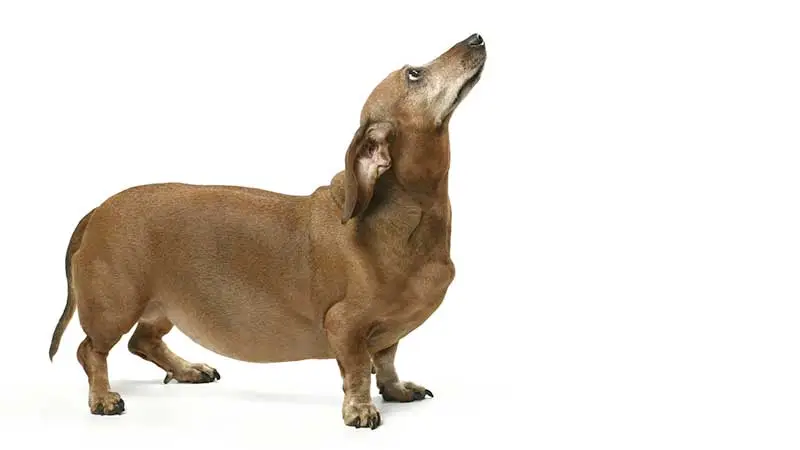
Obesity is one of the most important modifiable factors in veterinary orthopaedics. Excess adipose tissue increases mechanical load on joints and contributes inflammatory mediators that worsen osteoarthritis pain. Overweight cats and dogs also tire sooner and are harder to assess neurologically.
Successful weight management needs veterinary dietary planning — calorie control, satiety, and medical screening for endocrine disease. Exercise alone rarely fixes obesity and can injure unconditioned pets if intensity jumps too fast.
Rehabilitation contributes safe caloric expenditure, muscle preservation during weight loss (so pets lose fat, not only lean mass), and pain support so pets can stay active enough for the plan to work.
What are the signs of Obesity and Weight Management?
Signs vary by severity and by whether your pet is a dog or cat. Owners of dogs and cats often notice:
- Ribs difficult to feel under a fat cover; no visible waist
- Exercise intolerance and heat intolerance
- Worsening limp or stiffness with weight gain
- Difficulty grooming the back and hips (cats)
- Owner underestimation of body condition score
What causes Obesity and Weight Management?
- Calorie intake above energy needs
- Reduced activity from pain, lifestyle, or confinement
- Neutering-related metabolic change without diet adjustment
- High-calorie treats and free-feeding
- Occasional medical contributors (hypothyroidism, etc.) requiring vet diagnosis
How can veterinary rehabilitation help with Obesity and Weight Management?
After veterinary nutrition goals are set, rehab designs low-impact conditioning — often including underwater treadmill work when suitable — to burn energy while protecting joints.
Strength training preserves muscle during caloric deficit. Pain modalities improve willingness to move.
Progress is tracked with body condition scoring, girth, and functional walk tests, not vanity metrics.
Rehabilitation plans at RehabVet are individualised after a veterinary assessment. We coordinate with your primary vet when imaging, medication, or surgery is part of the overall plan.
Which therapies may be used for Obesity and Weight Management?
Depending on your pet’s examination findings, comfort, and goals, a plan may include one or more of the following:
What are the rehabilitation goals for Obesity and Weight Management?
Goals are set for the individual patient. Typical aims may include (not guarantees — outcomes vary):
- Support veterinary targets for healthy body condition
- Increase daily movement capacity without joint flares
- Preserve or build lean muscle during weight loss
- Reduce pain behaviours linked to overload
- Establish sustainable activity habits for maintenance
We do not publish invented success percentages. Progress is tracked clinically (gait, strength, range of motion, pain behaviours, and home function) and plans are adjusted over time.
When should you seek veterinary care for Obesity and Weight Management?
- Pets above ideal body condition with mobility complaints
- Failed diet attempts or suspected medical weight drivers
- Obesity with orthopaedic disease needing concurrent rehab
- Rapid weight gain in seniors with declining activity
Even modest, steady loss can reduce load and improve comfort for many pets. Exact targets are set by your veterinarian based on breed, frame, and medical status — we do not quote one-size percentages as guarantees.
Aquatic exercise can help but must pair with diet change. Unsupervised swimming also has safety risks. Structured hydrotherapy is preferred when water exercise is indicated.
Feline plans emphasise diet, environmental enrichment, short play sessions, and pain care so movement becomes possible. Forced workouts are counterproductive.
Related reading & patient stories
Book a rehabilitation assessment
If your pet has been diagnosed with obesity & weight management, or you are noticing mobility changes, our team can assess and design a multimodal rehab plan.
Educational content only — not a diagnosis. For emergencies, contact your nearest veterinary hospital.
Related Conditions
- ConditionDeconditioning RecoveryAfter rest or illness, pets lose fitness fast. A staged rehab plan rebuilds stamina and strength without repeat injury.Learn more
- ConditionFitness and ConditioningConditioning is proactive rehab: stronger muscles, better balance, and smarter workloads that help active pets perform and recover.Learn more
- ConditionChronic Pain and Mobility DeclineLong-standing pain changes how pets move, rest, and engage with family. A structured rehab plan addresses both comfort and function.Learn more