
Spondylosis Deformans
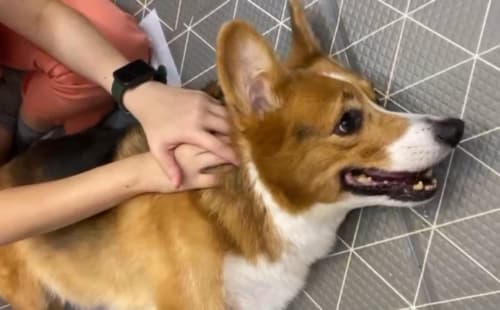
This page is for educational purposes only and is not a substitute for veterinary diagnosis or emergency care. Always consult your primary veterinarian or a rehabilitation veterinarian before starting treatment. If your pet cannot walk, has sudden paralysis, severe pain, or breathing difficulty, seek urgent veterinary attention.
What is Spondylosis Deformans?
Also known as: spinal spondylosis; vertebral osteophytosis; bony bridging of the spine.
Spondylosis deformans is characterised by osteophytes (bony spurs) that form along vertebral bodies, sometimes creating bridges between adjacent vertebrae. It is common on imaging in older dogs and is also seen in cats. Bridging may stiffen a spinal segment; the degree of clinical pain does not always match radiographic severity.
Spondylosis can coexist with intervertebral disc disease, lumbosacral disease, or osteoarthritis elsewhere. Pets may show a stiff thoracolumbar gait, reluctance to jump, or discomfort when picked up — or radiographs may be an incidental finding during work-up for another problem.
Management focuses on comfort, core and epaxial muscle support, controlled mobility, and addressing concurrent pain generators. Surgery is rarely indicated for spondylosis alone; rehab and medical pain care are the mainstays when the condition is symptomatic.
What are the signs of Spondylosis Deformans?
Signs vary by severity and by whether your pet is a dog or cat. Owners of dogs and cats often notice:
- Stiff back or reduced spinal flexibility
- Reluctance to jump up or down
- Sensitivity when stroked along the spine or lifted under the chest/abdomen
- Shortened stride in the hind limbs or a “roached” back posture
- Reduced grooming of the lower back or flanks (especially cats)
- Activity decline that owners attribute only to “old age”
What causes Spondylosis Deformans?
- Age-related degenerative change of the vertebral column
- Chronic disc and soft-tissue stress along the spine
- Prior spinal trauma or instability contributing to bony remodelling
- Conformation and breed-related spinal loading patterns in some dogs
- Concurrent degenerative spinal conditions amplifying clinical signs
How can veterinary rehabilitation help with Spondylosis Deformans?
Assessment distinguishes spondylosis-related stiffness from disc disease, nerve root pain, or hip OA. Treatment targets the actual pain and movement limitations found on exam.
Gentle spinal mobilisation (within comfort), soft-tissue therapy for paraspinal tension, and core stability exercises support a more efficient trunk. Controlled land or aquatic exercise maintains fitness without repeated high-impact jumping.
Home advice includes traction flooring, ramp use, and avoiding sudden twisting play. Multimodal pain strategies may include manual therapy, acupuncture, and coordination with your vet on analgesics.
Rehabilitation plans at RehabVet are individualised after a veterinary assessment. We coordinate with your primary vet when imaging, medication, or surgery is part of the overall plan.
Which therapies may be used for Spondylosis Deformans?
Depending on your pet’s examination findings, comfort, and goals, a plan may include one or more of the following:
What are the rehabilitation goals for Spondylosis Deformans?
Goals are set for the individual patient. Typical aims may include (not guarantees — outcomes vary):
- Reduce spinal discomfort and protective muscle guarding
- Improve comfortable trunk mobility for daily tasks
- Strengthen core and hind-limb support muscles
- Reduce high-impact loading (jumping) that flares symptoms
- Support long-term activity pacing for senior pets
We do not publish invented success percentages. Progress is tracked clinically (gait, strength, range of motion, pain behaviours, and home function) and plans are adjusted over time.
When should you seek veterinary care for Spondylosis Deformans?
- New or worsening back pain, yelping, or refusal to jump
- Hind-limb weakness, knuckling, ataxia, or loss of bladder/bowel control — urgent veterinary assessment for spinal cord disease
- Progressive reluctance to move despite rest
- Known spondylosis with declining quality of life or poorly controlled pain
No. Many pets have radiographic spondylosis with few clinical signs. Treatment decisions are based on examination and function, not X-ray appearance alone.
They are different processes but can coexist. IVDD involves the intervertebral disc and may compress neural tissue. Spondylosis is bony bridging of vertebral bodies. Your vet may need imaging to clarify what is driving the signs.
Yes. Cats often hide pain; subtle signs include reduced jumping, irritability when handled, and coat changes from reduced grooming. Low-stress feline-friendly rehab and home modifications can improve comfort.
Related reading & patient stories
Book a rehabilitation assessment
If your pet has been diagnosed with spondylosis, or you are noticing mobility changes, our team can assess and design a multimodal rehab plan.
Educational content only — not a diagnosis. For emergencies, contact your nearest veterinary hospital.
Related Conditions
- ConditionChronic Pain and Mobility DeclineLong-standing pain changes how pets move, rest, and engage with family. A structured rehab plan addresses both comfort and function.Learn more
- ConditionOsteoarthritis (Degenerative Joint Disease) in DogsStiff in the mornings, slower on walks, no longer keen on stairs? Arthritis is manageable. RehabVet builds multimodal treatment plans that reduce pain and protect the mobility your dog has left.Learn more
- ConditionOsteoarthritis in CatsCats hide joint pain well. Reduced jumping, grooming changes, and irritability can signal OA. RehabVet offers Solensia-aware, feline-friendly mobility support in Singapore.Learn more