
Neurological Conditions in Cats
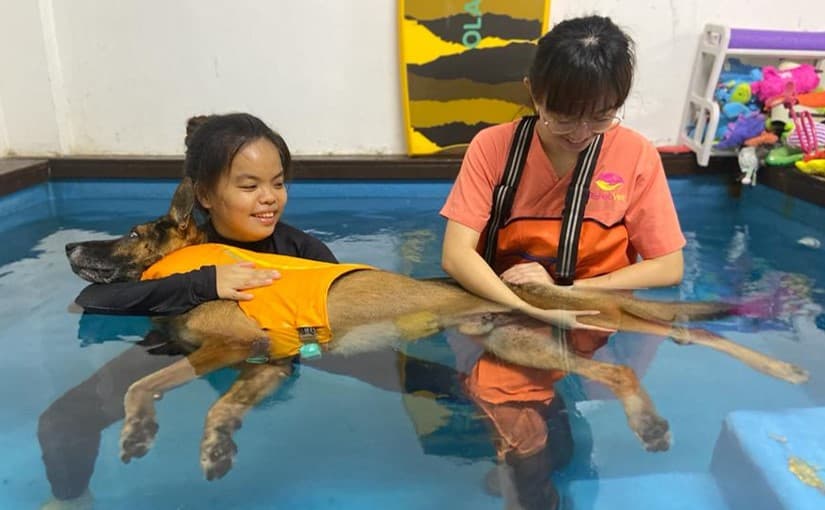
This page is for educational purposes only and is not a substitute for veterinary diagnosis or emergency care. Always consult your primary veterinarian or a rehabilitation veterinarian before starting treatment. If your pet cannot walk, has sudden paralysis, severe pain, or breathing difficulty, seek urgent veterinary attention.
What is Neurological Conditions in Cats?
Also known as: feline neurological disease; cat spinal stroke; cat dragging back legs; feline vestibular disease; neurological issues in cats.
Neurological problems in cats can look dramatic — sudden collapse, head tilt, circling, knuckling, or a cat dragging back legs — or quietly erode jumping and confidence over days. Common patterns owners ask about include feline “stroke-like” events, vestibular disease, fibrocartilaginous embolism (FCE / spinal infarct), and, less often, intervertebral disc disease (IVDD). Cats hide illness; any abrupt mobility change still needs urgent veterinary assessment.
True cerebrovascular stroke can occur in cats but is not the only cause of acute neurological signs. Vestibular disease (inner ear or central pathways) produces head tilt, nystagmus, and falling that owners often fear is a stroke. FCE causes sudden, often asymmetric spinal cord ischaemia and is reported less often in cats than dogs but is a real differential when a cat cries out once then cannot use one or more limbs.
IVDD is far less common in cats than in dogs, but disc disease and spinal pain do occur. Prognosis depends on the diagnosis, lesion severity, time to care, and residual motor function — some cats recover substantially with medical or surgical care plus rehab; others need long-term nursing support. Honest expectation-setting beats online guarantees.
Rehabilitation does not replace emergency work-up, imaging, or primary veterinary neurology decisions. It supports comfort, bladder and skin care education, low-stress movement recovery, and home safety once your vet clears therapy.
What are the signs of Neurological Conditions in Cats?
Signs vary by severity and by whether your pet is a dog or cat. Owners of cats often notice:
- Sudden weakness, knuckling, or inability to stand in one or more limbs
- Cat dragging back legs or hopping with a flaccid or stiff gait
- Head tilt, circling, falling, or rapid eye movements (nystagmus)
- Cry-out then abrupt asymmetric paralysis (possible FCE pattern)
- Reluctance or inability to jump; hiding or marked behaviour change
- Bladder accidents, a distended bladder, or loss of litter-tray posture
- Facial asymmetry, altered mentation, or seizures (urgent veterinary signs)
What causes Neurological Conditions in Cats?
- Vascular events affecting brain or spinal cord (including FCE / ischaemic myelopathy)
- Vestibular disease — idiopathic, middle/inner ear disease, polyps, or central causes
- Intervertebral disc disease (uncommon in cats relative to dogs, but possible)
- Trauma, inflammatory or infectious CNS disease, neoplasia, or toxic/metabolic disease
- Thromboembolic disease and concurrent cardiac or systemic illness (vet work-up dependent)
How can veterinary rehabilitation help with Neurological Conditions in Cats?
Once your veterinarian has diagnosed and cleared the cat for therapy, feline neuro rehab emphasises short, low-stress sessions: assisted standing, passive and active-assisted range of motion, proprioceptive stimulation, and carefully graded play-based movement that respects feline flight responses.
Physiotherapy rebuilds voluntary motor control and confidence on non-slip surfaces; home programmes cover sling support, litter-tray access, and pressure-sore prevention when the cat is non-ambulatory. See our cat physiotherapy and cat rehabilitation pages for how feline sessions differ from dog rehab.
Hyperbaric oxygen therapy (HBOT) may be considered as an adjunct for selected neurological cases under veterinary guidance — learn more on our HBOT for animals service page. Acupuncture can support comfort and neurological recovery in cats who tolerate gentle handling.
Low-stress handling is non-negotiable: towel wraps, pheromone support, minimal restraint, and stopping before panic preserve trust and make progress possible. Hydrotherapy is used selectively; many neurological cats do better on land first.
Rehabilitation plans at RehabVet are individualised after a veterinary assessment. We coordinate with your primary vet when imaging, medication, or surgery is part of the overall plan.
Which therapies may be used for Neurological Conditions in Cats?
Depending on your pet’s examination findings, comfort, and goals, a plan may include one or more of the following:
What are the rehabilitation goals for Neurological Conditions in Cats?
Goals are set for the individual patient. Typical aims may include (not guarantees — outcomes vary):
- Support return of voluntary motor activity and safe weight-bearing when neurologically possible
- Protect skin, joints, and bladder during non-ambulatory phases
- Improve balance, proprioception, and confidence navigating the home
- Reduce secondary pain from compensatory posture and disuse
- Equip owners with realistic home nursing and exercise routines
We do not publish invented success percentages. Progress is tracked clinically (gait, strength, range of motion, pain behaviours, and home function) and plans are adjusted over time.
When should you seek veterinary care for Neurological Conditions in Cats?
- Any sudden paralysis, collapse, or cat dragging limbs — emergency veterinary care
- Head tilt, continuous circling, seizures, or marked dullness
- Inability to urinate or a painful, distended bladder
- Rapidly worsening neurological signs over hours
- After diagnosis — ask when low-stress rehab can safely begin
Possibly, but other spinal and systemic causes are common differentials, including FCE, trauma, disc disease, and thromboembolic disease. Only urgent veterinary examination (and often imaging) can tell. Do not wait to “see if it improves overnight” if the cat cannot walk or toilet normally.
Yes, but IVDD is much less common in cats than in dogs. Cats may show reduced jumping, spinal pain, or hind-limb weakness rather than the classic Dachshund-style presentation. Sudden mobility change still warrants prompt veterinary assessment — do not assume “cats don’t get slipped discs.”
Fibrocartilaginous embolism (FCE) is an acute spinal cord infarct when disc material blocks a spinal blood vessel. It often presents as a sudden cry then asymmetric weakness. There is usually no surgical embolus to remove; nursing care and neurological rehabilitation are central once imaging excludes a compressive lesion. See our FCE condition page for more detail.
Prognosis is individual and depends on diagnosis, severity, deep pain status when relevant, and how quickly care starts. Many cats with idiopathic vestibular disease or milder FCE improve substantially; severe cord injuries or progressive disease may need long-term support. We measure function honestly and adjust plans with your vet — we do not promise timelines.
Sessions are shorter, handling is quieter, and forced water work is often skipped. Environmental setup (litter access, ramps, non-slip floors) and owner coaching carry more weight. Acupuncture and land-based physio are common; HBOT is considered case-by-case.
Related reading & patient stories
Book a rehabilitation assessment
If your pet has been diagnosed with feline neuro conditions, or you are noticing mobility changes, our team can assess and design a multimodal rehab plan.
Educational content only — not a diagnosis. For emergencies, contact your nearest veterinary hospital.
Related Conditions
- ConditionSpinal Cord InjurySpinal cord injury from trauma, compression, or ischaemia can cause pain, ataxia, paresis, or paralysis. Rehabilitation supports nursing care and neurological recovery after veterinary stabilisation.Learn more
- ConditionCerebrovascular Accident (Stroke)A cerebrovascular accident (stroke) is an abrupt interruption of brain blood flow — ischaemic or haemorrhagic — causing sudden neurological deficits in dogs and cats.Learn more
- ConditionFibrocartilaginous Embolism (FCE)Fibrocartilaginous embolism (FCE) is an acute spinal cord infarction caused by disc material blocking a spinal blood vessel — typically sudden, often asymmetric, and usually non-progressive after the first hours.Learn more