
Senior Mobility Decline
This page is for educational purposes only and is not a substitute for veterinary diagnosis or emergency care. Always consult your primary veterinarian or a rehabilitation veterinarian before starting treatment. If your pet cannot walk, has sudden paralysis, severe pain, or breathing difficulty, seek urgent veterinary attention.
What is Senior Mobility Decline?
Also known as: geriatric mobility impairment; age-related slowing; senior frailty (pets).
Senior pets commonly show reduced stamina, hesitation on stairs, difficulty rising, and less interest in walks or play. These changes may stem from osteoarthritis, sarcopenia, neurological disease, cardiopulmonary limits, sensory loss, or combinations of the above — not age alone.
A thorough veterinary work-up identifies medical drivers. Rehabilitation then targets modifiable factors: strength, balance, joint comfort, and confidence on real home surfaces.
Early intervention is easier than waiting until the pet can no longer rise unassisted. Many seniors improve functionally with paced, realistic goals focused on quality of life.
What are the signs of Senior Mobility Decline?
Signs vary by severity and by whether your pet is a dog or cat. Owners of dogs and cats often notice:
- Longer time to rise; needing help on walks
- Shortened outing distance or frequent sitting mid-walk
- Slips on tiles; widened stance; wobble on turns
- Sleeping more and interacting less
- Difficulty posturing to toilet
- Weight shift to the forelimbs or a shuffling gait
What causes Senior Mobility Decline?
- Osteoarthritis and spinal degenerative disease
- Age-related muscle loss (sarcopenia) and deconditioning
- Neurological disease (for example disc disease, vestibular disease)
- Obesity or unintended weight loss with frailty
- Pain, sensory decline (vision/hearing), and reduced confidence
How can veterinary rehabilitation help with Senior Mobility Decline?
Geriatric rehab assessments prioritise function: can the pet rise, toilet, eat comfortably, and move between preferred resting spots? Plans are conservative, frequent, and adjusted for stamina.
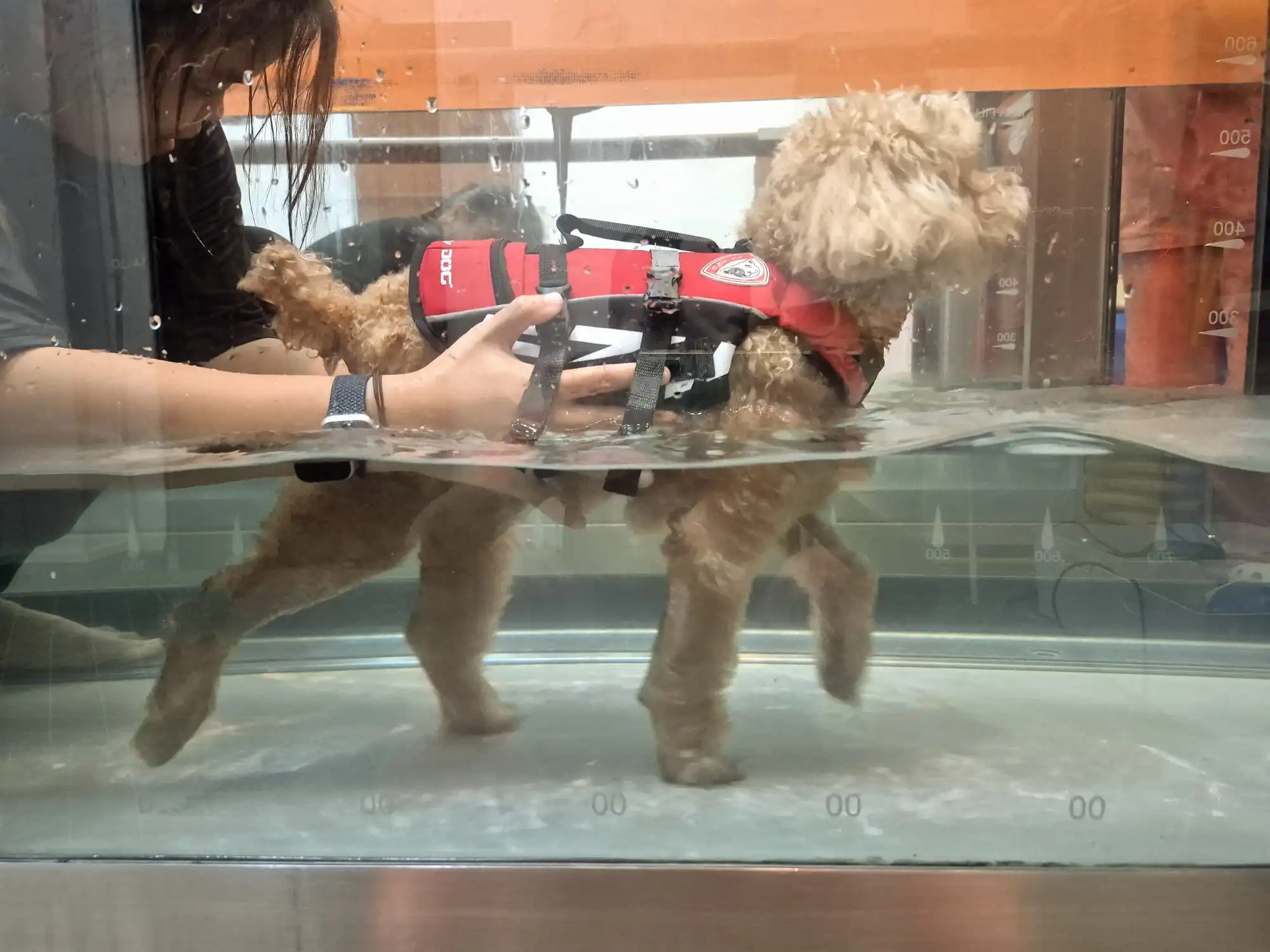
Therapeutic exercise, balance work, pain-support modalities, and optional hydrotherapy rebuild capacity. Assistive devices (harnesses, boots, toe grips) may be trialled when appropriate.
Owner education covers home safety — rugs, night lights, ramps — and realistic activity schedules that avoid boom-and-bust weekends.
Rehabilitation plans at RehabVet are individualised after a veterinary assessment. We coordinate with your primary vet when imaging, medication, or surgery is part of the overall plan.
Which therapies may be used for Senior Mobility Decline?
Depending on your pet’s examination findings, comfort, and goals, a plan may include one or more of the following:
What are the rehabilitation goals for Senior Mobility Decline?
Goals are set for the individual patient. Typical aims may include (not guarantees — outcomes vary):
- Improve ease of rising, toileting, and short purposeful walks
- Strengthen key anti-gravity muscles
- Enhance balance and reduce slip-related fear
- Support comfort with concurrent joint or spinal disease
- Maximise quality of life and owner caregiving confidence
We do not publish invented success percentages. Progress is tracked clinically (gait, strength, range of motion, pain behaviours, and home function) and plans are adjusted over time.
When should you seek veterinary care for Senior Mobility Decline?
- Noticeable mobility drop over weeks to months
- Falls, inability to rise, or dragging limbs
- Senior pets with new incontinence or confusion plus mobility change
- Caregiver strain — earlier rehab support can help both pet and family
Age alone is not a reason to withhold assessment. Goals shift toward comfort and essential function rather than athletic performance. Even small gains can matter daily.
Sessions are shorter, monitoring is closer, and progression is slower. Concurrent diseases (heart, kidney, cognitive) shape what is safe.
Some pets benefit from carts or slings as part of a plan; many improve enough with strength and pain care to delay or avoid them. Devices are tools, not failures.
Related reading & patient stories
Book a rehabilitation assessment
If your pet has been diagnosed with senior mobility, or you are noticing mobility changes, our team can assess and design a multimodal rehab plan.
Educational content only — not a diagnosis. For emergencies, contact your nearest veterinary hospital.
Related Conditions
- ConditionPalliative Mobility SupportWhen cure is not the goal, mobility support still matters — pain ease, assisted movement, and home adaptations that protect quality of life.Learn more
- ConditionSarcopenia (Age-Related Muscle Loss)Ageing pets lose lean muscle even without nerve disease. Targeted strengthening and nutrition support help counter sarcopenia-related frailty.Learn more
- ConditionHind-Limb Weakness in Senior PetsRear-end weakness is a common senior complaint. Sorting orthopaedic from neurological causes guides effective rehabilitation.Learn more