Hip Dysplasia in Cats: Signs, Breeds at Risk and Treatment
A hip problem cats rarely advertise as a limp
Hip dysplasia in cats is a loose, poorly fitted hip joint that starts while the cat is growing and often becomes painful later, when arthritis is added. Because cats are light and secretive, the early years can look almost normal. The clue is usually not a hobble across the kitchen. It is a cat who hesitates before a jump, who lands short, or who has thinner thighs than the rest of the body suggests they should.
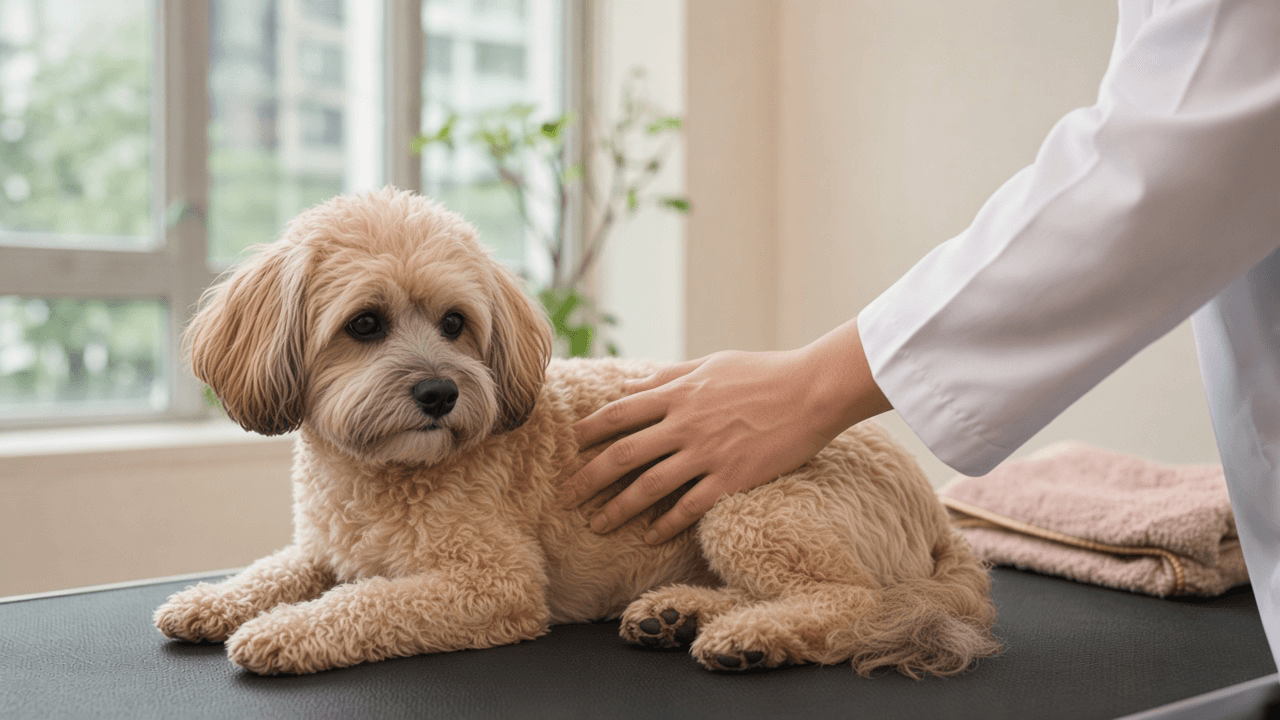
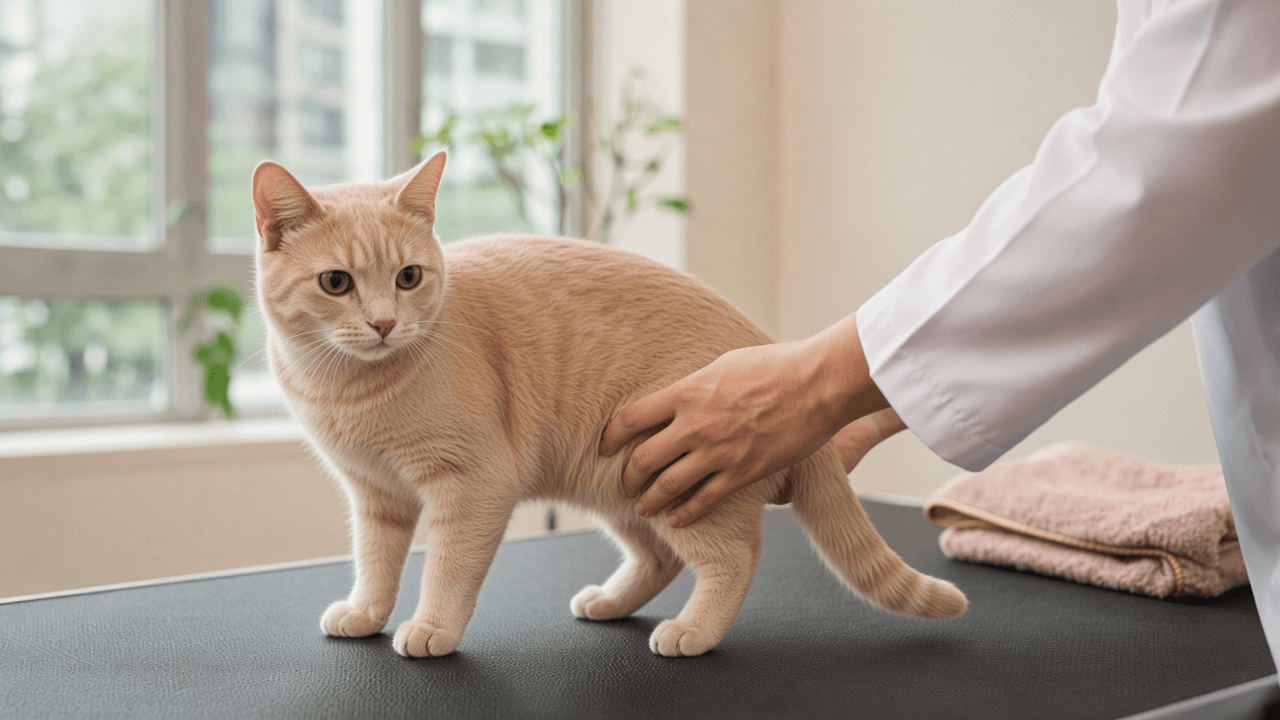
The joint is a ball and socket. In this condition the socket is shallow, the ball sits loosely, or both, so the cartilage wears. You will not feel that looseness reliably at home, and you should not lever the hip out to try. A vet examines range and pain, and X-rays, usually under sedation, show the shape of the joint. Pain on a normal-looking X-ray can still be real. A dramatic X-ray in a comfortable cat is also possible. The cat in front of you matters more than the picture alone.
Signs at home
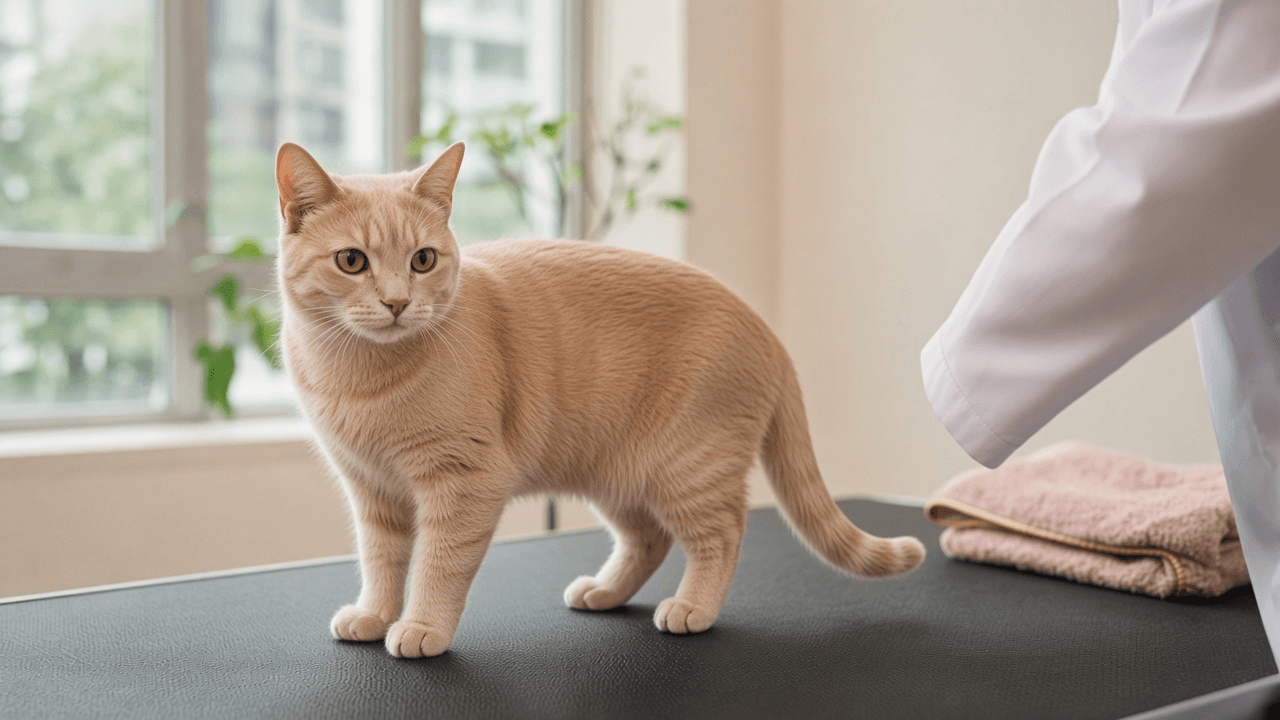
Watch the height they are willing to climb. Beds, windowsills and the top of a scratching post are the usual resignations. Watch the sit and the rise. Some cats keep one hind leg slightly out, or they shift weight forward so the hips do less work. The lower back may look hunched. Grooming of the spine and the hips falls away, so the coat mats in a stripe. The litter box becomes a problem if the sides are high or the box is in a tight corner they must contort to enter.
A few cats do limp, especially after a slip or a longer play session. Many do not. Irritability when the pelvis is touched is common and gets mislabelled as a cat who has become grumpy with age. Young cats can show signs too, before anyone calls them senior. If both back legs suddenly fail, or the cat is in severe pain with cold paws, that is a different emergency, often a clot or a trauma, and it needs an emergency vet tonight. Hip dysplasia is usually a slower story.
Breeds and the cats who are not purebred
Maine Coons are the breed most often named in the published work on feline hip dysplasia, and they are a fair reason for a breeder or an owner to ask about hips specifically. Other purebreds appear in case reports and clinic populations as well. Domestic shorthairs, which are most of the cats in Singapore flats, are not exempt. A mixed or local cat with the signs above still needs the same examination. Breed raises the question. It does not answer it.
Body weight and rate of growth matter around a joint that is already loose. A heavy cat loads a shallow socket every time they stand. Ask your vet for a weight target rather than putting a cat on a harsh diet that costs them muscle. Muscle is what steadies a loose hip. Losing muscle to chase a number on the scale can make the gait worse even if the X-ray looks the same. This is a conversation about condition, not about a brand of food.
Want a vet to look at how your pet is moving?
A rehabilitation assessment looks at pain, gait and what should happen next. You leave with a plan, whether that is physiotherapy, hydrotherapy or a referral back to your own vet.
How it relates to arthritis
Dysplasia is the shape. Osteoarthritis is the wear that often follows. An older cat may be presented for stiffness when the original looseness was never named. Treating the pain of arthritis is still the right daily job, and understanding the shape explains why one hip, or both, keeps flaring. Our page on osteoarthritis in cats covers that wear in more detail. Use it alongside this page, not as a reason to skip X-rays if the vet has asked for them.
Not every sore hip is dysplasia. Trauma, a dislocation, infection and referred spinal pain are on the list. So is a knee problem that the owner has filed under hip because the whole back end looks wrong. The examination separates them. If your cat has stopped jumping but the hips are comfortable and the spine is not, keep looking. Dental disease, heart disease and simple obesity also shrink a cat's vertical life. A single label should not close the file.
What treatment looks like when surgery is not the plan
Many cats are managed without an operation. The plan is weight, pain control prescribed for that cat, and a flat that demands fewer high jumps. A low litter box, a step to the bed, food on the level they already use, and a warm bed off the tile are treatments, not accessories. Medicine is the vet's decision. There is no dose on this page. A monthly antibody injection is one option some arthritic cats are prescribed. Not every cat is a candidate, and availability is confirmed by the prescribing vet.
Do not give paracetamol, Panadol or ibuprofen. Paracetamol can kill a cat, and there is no safe home dose. If any has been given, go to an emergency vet with the packet. Do not start a dog supplement and halve it by guesswork. If a supplement is appropriate later, your vet should choose it. Physiotherapy keeps the thigh muscles working and the spine from locking up around a painful pelvis. It is quiet, short work. It does not reshape the socket. It helps the cat use the hip they have.
When surgery is discussed
Surgery is considered for some cats with ongoing pain that a proper medical and environmental plan has not controlled, or for a hip that is damaged in a way rest will not fix. Procedures such as removing the femoral head, or a hip replacement in very selected patients at a specialist hospital, are individual decisions. This article will not quote a fee for either. Ask the surgeon for a written estimate that includes anaesthesia, the implant if there is one, hospital time, rechecks and the rehabilitation afterwards.
A quote for surgery is not a reason to skip the weeks of good medical care that tell you whether surgery is even needed. It is also not a reason to delay when a cat cannot bear weight or the hip is acutely dislocated. Those are urgent orthopaedic problems. Bring any previous X-rays to the surgeon so the cat is not sedated twice for the same pictures. Ask what life looks like if you do not operate, in function, not in a percentage copied from dogs.
How physiotherapy is used
At assessment we watch the cat rise, walk and, if they are willing, step onto a low platform. We feel thigh muscle, lumbar muscle and whether the hip resents extension. Treatment may include manual therapy, a class 4 laser, acupuncture, and a home exercise that is realistic for a cat, which usually means very little formal exercise and a lot of environment. Some cats tolerate water work. Many do not, and that is a respectable outcome of the assessment rather than a failure.
The service to read next is cat physiotherapy. If the main problem has become general arthritic pain rather than the shape of one hip, the osteoarthritis page and the physio plan sit together. Fees are on the pricing page. You can book an assessment at RehabVet, 513 Serangoon Road, once urgent illness has been ruled out. Call +65 6291 6881 if you are unsure the cat is stable enough to travel for a planned visit. Bring the X-ray report.
Living with it in a Singapore flat
Tile is the enemy of a cat who cannot trust the back legs. A runner where they turn, a litter box that does not slide, and a scratching post that is short enough to use without a leap all reduce flares. High shelves can stay if a staircase of stable furniture reaches them. What should go is the expectation that they will jump from the floor to a wardrobe. Children should be taught not to pick the cat up around the hips. Visitors' dogs should be kept separate if chasing is likely.
Keep a simple diary for a month: jumps attempted, jumps refused, litter accidents, growling when lifted, good days and bad days. That diary is how you and the vet know whether the plan is working. A cat who is eating, grooming again and using a low step has improved, even if they never return to the highest shelf. Aim at comfort and choice. A cat with dysplastic hips can have a good life when the pain is treated and the flat stops setting an exam they can no longer pass.