IVDD in Cats: Symptoms, Treatment and Recovery
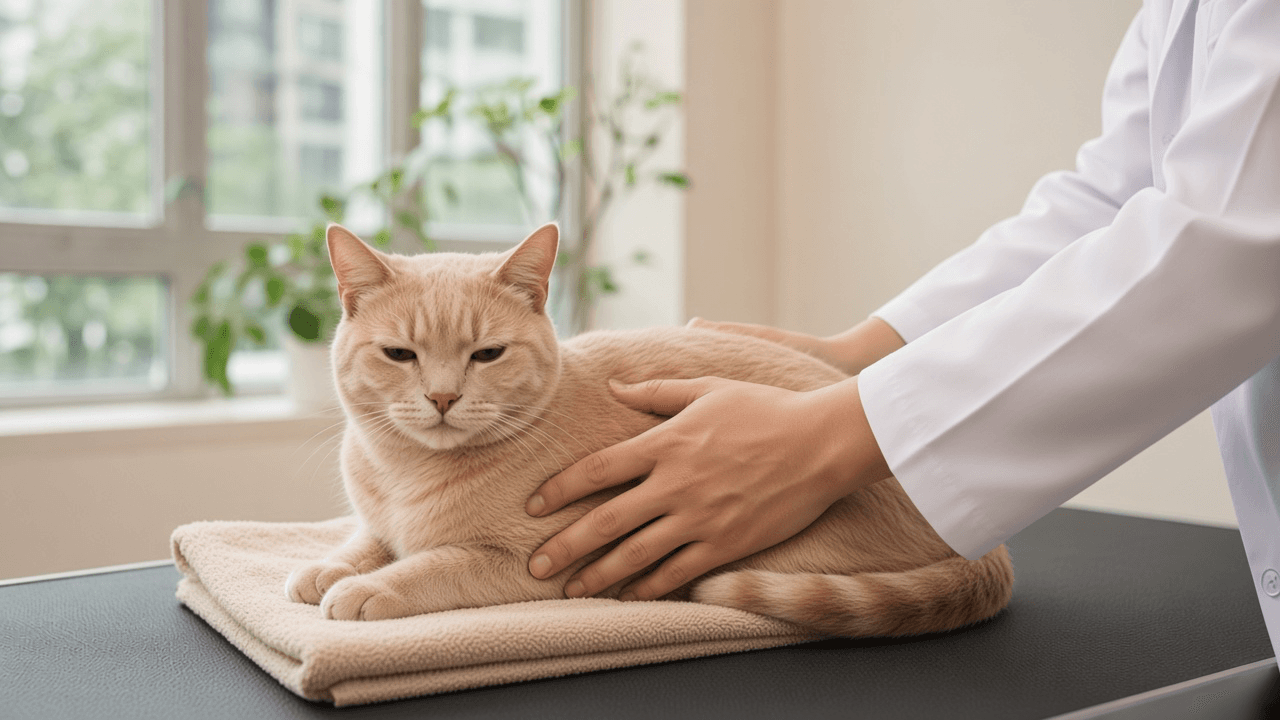
A slipped disc can happen in a cat
IVDD in cats means an intervertebral disc, the cushion between the bones of the spine, has bulged or burst and is hurting the spinal cord or the nerves. It is diagnosed far less often than in dogs, which is why many owners and even some first conversations at a clinic start with a stomach ache, a bad mood or a strained muscle. The cat is hunched, quiet, unwilling to jump, or suddenly weak in the back legs. Those signs deserve a neurological look, not a week of watching.
Cats hide spinal pain well until they cannot. You may see a flat or arched back, a cry when you lift them around the ribs, a refusal to use the litter box because posturing hurts, or a wobble that was not there yesterday. Some cats look abdominal because the belly is tense and they resent being touched. If the weakness is worsening by the hour, or they cannot walk, this is an emergency. Go to an emergency vet before you book rehabilitation.
Symptoms, from a sore back to legs that will not work
Milder cases look like back pain with legs that still work. The cat may hide, stop jumping, twitch the skin along the spine, or object to a collar or a lift. You might think they have constipation because they visit the box and produce little. Always check whether urine is actually being passed. A blocked bladder, whether from a spinal problem or a urethral blockage, is an emergency in its own right. Do not assume the litter is the whole story.
More severe cases show ataxia, a swaying walk, paws that turn under, or paralysis of the back legs and sometimes the tail. Pain may be obvious or, once the cord is badly compressed, strangely quiet. Loss of feeling in the toes is a serious finding and not something to test repeatedly at home. One gentle look is enough. Then travel. Carry the cat so the spine stays level, in a carrier that opens from the top, lined so they are not curled into a ball if you can avoid it.
What else looks like a disc
A blood clot to the back legs, often from heart disease, causes sudden paralysis and severe pain, frequently with cold paws and firm muscles. That is not a disc, and it is an emergency. Trauma from a fall, a door or a fight can fracture the spine or bruise the cord. Infection and inflammatory disease of the nervous system are less common and still on the vet's list. A sore abdomen, from pancreatitis to a urinary crisis, imitates a hunched back. The examination exists to separate these. Home observation cannot.
Older cats also get arthritis of the spine and spondylosis-type change, which is a slower stiffness rather than an hour-by-hour decline. Both can exist in the same animal. If your vet has called it arthritis and you are now seeing real weakness, say that clearly and ask for a neurological reassessment. Our notes on neurological conditions in cats set out how that examination is structured. Use them after you have made the cat safe, not instead of the emergency trip.
Want a vet to look at how your pet is moving?
A rehabilitation assessment looks at pain, gait and what should happen next. You leave with a plan, whether that is physiotherapy, hydrotherapy or a referral back to your own vet.
How a diagnosis is made
The first tool is a careful neurological examination: where the pain is, which legs are weak, whether reflexes and pain sensation are present. X-rays can show a narrowed disc space, a fracture or an obvious bony change, and they can miss the piece of disc that is actually pressing on the cord. Advanced imaging, often MRI where it is available, is what lets a specialist see the compression. This article will not quote a scan price. Ask the referral hospital for a written estimate that includes imaging, hospital care and any surgery they are considering.
Blood and urine tests matter because a cat who cannot walk may also be dehydrated, in urinary retention, or hiding another disease that changes the anaesthetic risk. Tell the vet about any fall, any human medicine in the house, and whether the cat has been allowed on balconies or windows without a screen. High-rise falls injure spines. So do road accidents. The history changes how carefully the neck and back are handled in the consult room.
Treatment choices, without a false promise
Some cats with pain and only mild weakness are managed with strict cage rest, pain relief prescribed by the vet, and close monitoring. The rest is real confinement, not a quieter version of the flat. A bathroom with a windowsill is not a cage. The vet sets the length of that rest and the medicines. There is no dose here. If the cat becomes weaker during rest, the plan changes the same day. Do not finish the week just because the instruction was written on Monday.
Surgery is considered when compression is significant, when the cat cannot walk, or when pain cannot be controlled. A neurologist or surgeon should explain what they expect to find and what the operation is meant to do. Not every cat is a surgical candidate, and not every owner is in a position to proceed. That conversation should include nursing care, bladder management and rehabilitation afterwards, not only the hour in theatre. Get the costs in writing from the hospital doing the work. We will not invent them here.
Bladder, bowels and nursing in the first days
A cat who cannot empty the bladder needs help from a vet or a nurse who has taught you, not a guess from the internet. An overfull bladder is painful and can injure the kidneys and the bladder wall. Urine leakage is not the same as a voluntary wee. Ask someone to show you, watch you do it, and tell you how often. Keep the contact details for the out-of-hours team on the fridge. If you cannot express the bladder and the belly is growing, go back in.
Skin and cleanliness decide whether recovery is miserable. A paralysed cat sitting in urine will develop scalds within a day. Use absorbent bedding you can change, keep the fur short if the vet agrees, and check the paws if they are scraping. Food and water should be easy to reach without a jump. Pain relief has to be adequate for the cat to eat. If they stop eating for more than a day, phone. Cats who do not eat become a second medical problem quickly.
Recovery and rehabilitation
Recovery is measured in function: pain first, then the ability to stand, to place the paws, to toilet with help and then with less help. Some cats improve steadily over days. Some take weeks. Some do not walk again and can still have a managed life if pain is controlled and the bladder plan is sustainable. Nobody should quote you a percentage from a different species and call it your cat's odds. Your cat's examination today is the relevant one.
Once the vet says the spine is stable enough, cat rehabilitation helps the muscles and the coordination that remain. Sessions are short and quiet. We do not put an acutely painful cat on an exercise circuit. Laser, acupuncture and gentle manual therapy are considered case by case. The broader context of cord injury is on our spinal cord injury page. Home changes, a low litter box and non-slip mats, are part of treatment. Read them as nursing, not as optional décor.
How to move and confine a sore cat
Support the chest and the pelvis so the back does not sag or twist. Do not scruff-and-dangle a cat with a possible disc. In the car, brace the carrier so it cannot slide. Air-conditioning on. A cover over the carrier reduces panic. At the clinic, ask them to lift from the top rather than tipping the cat out. If you are coming to RehabVet after the emergency team has cleared you, call +65 6291 6881 first. We are at 513 Serangoon Road. A cat in crisis should be at the emergency hospital, not on the way to a planned rehab slot.
Confinement fails when the rest of the household forgets. Other cats, a dog, children, and a balcony door are the usual breaches. A large dog crate or a pen, sized so the cat can stand and turn but not run, is kinder than a whole flat. Include the litter, water and a bed. Let them see you. Sit quietly rather than taking them out for a cuddle that becomes a jump. If they thrash and hurt themselves, phone the vet. Panic is a medical problem in this context, and the vet may adjust the plan. Do not add a human sedative.
What to ask before you leave the hospital
Ask what worsening looks like tonight. Ask who to call if they cannot pass urine. Ask whether they may be lifted, and how. Ask when rehabilitation can start, and what movements are forbidden until then. Ask for the imaging report in writing so you are not relying on memory. If surgery was discussed and declined or delayed, ask what signs should trigger you to reopen that decision. Write the answers down before you reach the car park.
Fees for rehabilitation sessions, once they are appropriate, are on the pricing page. You can request an assessment when your own vet or the neurologist has said the cat is ready to be handled for rehab. Bring the notes. A disc in a cat is unfamiliar to many owners, and that unfamiliarity causes delay. Pain, a hunched back and weak legs are enough reason to be seen, even if everyone in the group chat thinks cats do not get this.