
Immune-Mediated Polyarthritis (IMPA)
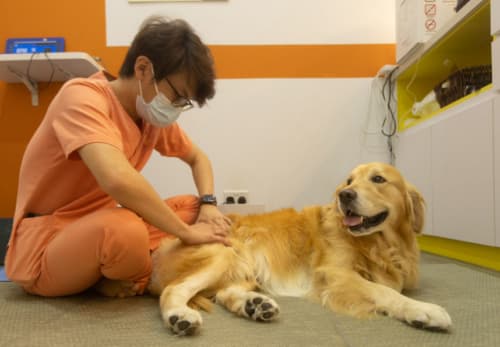
This page is for educational purposes only and is not a substitute for veterinary diagnosis or emergency care. Always consult your primary veterinarian or a rehabilitation veterinarian before starting treatment. If your pet cannot walk, has sudden paralysis, severe pain, or breathing difficulty, seek urgent veterinary attention.
What is Immune-Mediated Polyarthritis (IMPA)?
Also known as: idiopathic immune-mediated polyarthritis; IMPA; non-erosive immune polyarthritis (common form).
Immune-mediated polyarthritis (IMPA) occurs when the immune system targets joint tissues, producing sterile inflammation in multiple joints. Dogs may present with shifting lameness, fever, malaise, and a stiff gait. Diagnosis typically involves arthrocentesis and exclusion of infectious causes by a veterinarian.
Treatment centres on immunosuppressive or immunomodulatory medication under specialist or primary-care guidance. Physical rehab is adjunctive: protect joints during flares, then rebuild muscle and function as disease activity falls.
Some dogs have erosive forms or IMPA secondary to other immune diseases; prognosis and precautions vary. Rehab intensity must always follow medical status.
What are the signs of Immune-Mediated Polyarthritis (IMPA)?
Signs vary by severity and by whether your pet is a dog or cat. Owners of dogs often notice:
- Shifting leg lameness and generalised stiffness
- Reluctance to rise or walk; “walking on eggshells”
- Joint effusion or pain in multiple limbs
- Fever, lethargy, reduced appetite
- Waxing and waning mobility with medication changes
What causes Immune-Mediated Polyarthritis (IMPA)?
- Idiopathic immune dysregulation targeting synovium
- Secondary immune responses linked to distant infection or inflammation (veterinary investigation)
- Breed predispositions reported in some populations
- Overlap syndromes with other immune-mediated diseases
How can veterinary rehabilitation help with Immune-Mediated Polyarthritis (IMPA)?
During induction of medical therapy, rehab focuses on comfort, gentle passive motion within limits, and preventing pressure injuries if the dog is very quiet.
In remission or low disease activity, progressive strengthening and controlled conditioning reduce long-term disability from muscle loss.
Owners learn flare recognition: when to rest, when to call the vet, and how to keep a minimum safe movement routine.
Rehabilitation plans at RehabVet are individualised after a veterinary assessment. We coordinate with your primary vet when imaging, medication, or surgery is part of the overall plan.
Which therapies may be used for Immune-Mediated Polyarthritis (IMPA)?
Depending on your pet’s examination findings, comfort, and goals, a plan may include one or more of the following:
What are the rehabilitation goals for Immune-Mediated Polyarthritis (IMPA)?
Goals are set for the individual patient. Typical aims may include (not guarantees — outcomes vary):
- Support comfort through medical induction and taper phases
- Limit disuse atrophy and joint contracture risk
- Restore functional gait and stamina as inflammation allows
- Maintain gains during long-term immunomodulatory therapy
- Coordinate closely with the prescribing veterinarian
We do not publish invented success percentages. Progress is tracked clinically (gait, strength, range of motion, pain behaviours, and home function) and plans are adjusted over time.
When should you seek veterinary care for Immune-Mediated Polyarthritis (IMPA)?
- Suspected multi-joint pain with fever — prompt veterinary care
- Known IMPA with acute flare or medication intolerance
- Rapid mobility loss while on treatment
- Before increasing exercise intensity after a flare
No. It is an immune-mediated process, not an infection passed between pets or to people. Infectious arthritis must still be ruled out diagnostically because treatment differs.
No. Medicines address the immune driver. Rehab addresses the musculoskeletal consequences and quality of movement.
Weeks of inflammation and reduced activity cause muscle loss. Structured reconditioning after medical control is often needed to feel “back to normal.”
Related reading & patient stories
Book a rehabilitation assessment
If your pet has been diagnosed with IMPA, or you are noticing mobility changes, our team can assess and design a multimodal rehab plan.
Educational content only — not a diagnosis. For emergencies, contact your nearest veterinary hospital.
Related Conditions
- ConditionAcute Soft-Tissue InflammationSprains, strains, and acute soft-tissue flare-ups need the right mix of protection and early movement. Rehab helps you avoid both over-rest and re-injury.Learn more
- ConditionChronic Musculoskeletal PainOngoing muscle and joint pain changes posture and activity. RehabVet builds multimodal plans that treat drivers of pain, not only the limp.Learn more
- ConditionNeuropathic PainNerve-related pain can cause licking, sudden yelping, and odd sensitivity. Rehab complements veterinary neuropathic pain management.Learn more