
Polyarthritis in Dogs
This page is for educational purposes only and is not a substitute for veterinary diagnosis or emergency care. Always consult your primary veterinarian or a rehabilitation veterinarian before starting treatment. If your pet cannot walk, has sudden paralysis, severe pain, or breathing difficulty, seek urgent veterinary attention.
What is Polyarthritis in Dogs?
Also known as: canine polyarthritis; multi-joint arthritis; inflammatory polyarthropathy.
Polyarthritis describes concurrent inflammation affecting several joints. Unlike typical osteoarthritis (often a few weight-bearing joints with chronic wear), polyarthritis can present with shifting limb lameness, generalised stiffness, fever, lethargy, and a reluctance to move that looks “neurological” or systemic.
Causes range from immune-mediated disease (including idiopathic immune-mediated polyarthritis) to infectious, reactive, and less commonly neoplastic processes. Accurate diagnosis — joint taps, imaging, and bloodwork directed by your primary or referral veterinarian — is essential before aggressive physical loading.
Rehabilitation does not replace immunosuppressive or antimicrobial therapy when those are indicated. Once pain and inflammation are medically addressed, carefully dosed physiotherapy helps limit muscle loss, protect joint motion, and rebuild safe function.
What are the signs of Polyarthritis in Dogs?
Signs vary by severity and by whether your pet is a dog or cat. Owners of dogs often notice:
- Lameness that shifts from limb to limb
- Stiff, stilted, or “walking on eggshells” gait
- Warm, swollen, or painful joints on palpation
- Fever, lethargy, or reduced appetite alongside mobility change
- Reluctance to rise, jump, or play
- Sitting or lying in unusual postures to unload sore joints
What causes Polyarthritis in Dogs?
- Immune-mediated (idiopathic) polyarthritis
- Infectious arthritis (bacterial, tick-borne, or other agents depending on region and travel)
- Reactive polyarthritis secondary to distant infection or inflammation
- Drug- or vaccine-associated immune responses (uncommon; veterinary judgement required)
- Overlap with erosive immune joint diseases in some dogs
How can veterinary rehabilitation help with Polyarthritis in Dogs?
Rehab begins with medical clearance. Early goals focus on comfort: gentle passive range of motion within pain-free limits, soft-tissue care, and assisted positioning to prevent secondary stiffness.
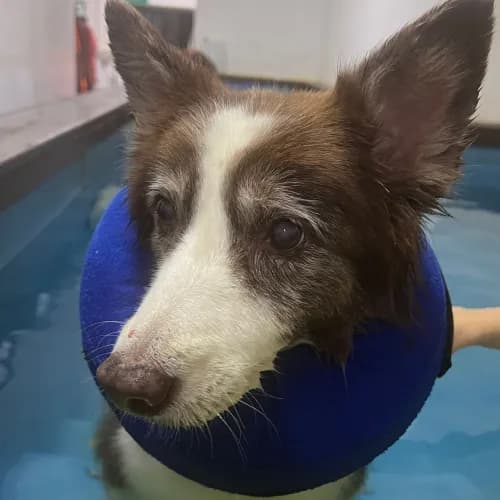
As inflammation settles, graded therapeutic exercise rebuilds muscle and proprioception. Hydrotherapy may be introduced when joints are quieter and the dog tolerates immersion and exertion.
Owner education covers activity pacing, flare recognition, and home adaptations (traction, ramps, shorter frequent walks) so gains are not undone by overactivity on “good days.”
Rehabilitation plans at RehabVet are individualised after a veterinary assessment. We coordinate with your primary vet when imaging, medication, or surgery is part of the overall plan.
Which therapies may be used for Polyarthritis in Dogs?
Depending on your pet’s examination findings, comfort, and goals, a plan may include one or more of the following:
What are the rehabilitation goals for Polyarthritis in Dogs?
Goals are set for the individual patient. Typical aims may include (not guarantees — outcomes vary):
- Support medical control of joint inflammation with comfort-focused therapy
- Minimise disuse muscle atrophy during the acute and subacute phases
- Restore safe joint range and functional mobility as inflammation allows
- Rebuild confidence with rising, walking, and controlled play
- Create a paced return-to-activity plan that reduces flare risk
We do not publish invented success percentages. Progress is tracked clinically (gait, strength, range of motion, pain behaviours, and home function) and plans are adjusted over time.
When should you seek veterinary care for Polyarthritis in Dogs?
- Sudden multi-limb stiffness, shifting lameness, or a dog that will not rise
- Fever, marked lethargy, or pain with any joint touch — seek veterinary care promptly
- Known polyarthritis with a new flare despite medication
- Before restarting sport, long walks, or intensive rehab after diagnosis
Osteoarthritis is primarily degenerative cartilage disease, often in specific joints. Polyarthritis is inflammatory disease across multiple joints and frequently has systemic signs. The diagnostic path and medicines differ; rehab intensity must match disease activity.
No. Underlying immune or infectious drivers need veterinary diagnosis and treatment. Rehab complements that care by protecting muscle, motion, and function while inflammation is controlled.
Usually after the acute inflammatory phase is settling, pain is better controlled, and your rehabilitation veterinarian judges that loading and immersion are safe. Starting too early can worsen joint irritation.
Related reading & patient stories
Book a rehabilitation assessment
If your pet has been diagnosed with polyarthritis, or you are noticing mobility changes, our team can assess and design a multimodal rehab plan.
Educational content only — not a diagnosis. For emergencies, contact your nearest veterinary hospital.
Related Conditions
- ConditionChronic Pain and Mobility DeclineLong-standing pain changes how pets move, rest, and engage with family. A structured rehab plan addresses both comfort and function.Learn more
- ConditionOsteoarthritis (Degenerative Joint Disease) in DogsStiff in the mornings, slower on walks, no longer keen on stairs? Arthritis is manageable. RehabVet builds multimodal treatment plans that reduce pain and protect the mobility your dog has left.Learn more
- ConditionOsteoarthritis in CatsCats hide joint pain well. Reduced jumping, grooming changes, and irritability can signal OA. RehabVet offers Solensia-aware, feline-friendly mobility support in Singapore.Learn more